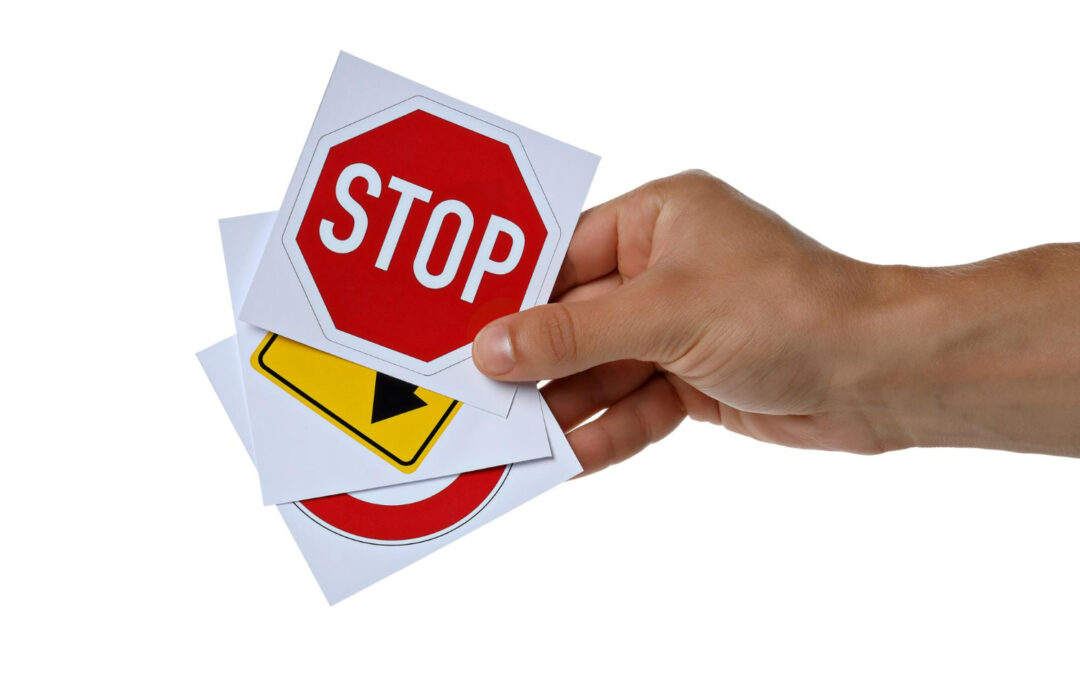
Custom traffic signage plays a bigger role than most people think. Whether it’s for a private lot, school zone, or business entrance, the right sign at the right spot helps guide people safely and reduces confusion. But slapping a sign into the ground without much thought usually leads to problems.
Before installing anything, it’s worth working through the small details, things like placement, weather, materials, and how people actually move through the space. These early choices can make the difference between signs that last and signs that fail to do their job. If you’re planning custom traffic signage this season, especially in the weeks before spring rolls in, take time to consider how the surrounding conditions might affect your setup.
Picking the Right Sign for the Right Spot
Not all signs serve the same job, and not all parts of a lot need the same message. Start by matching each sign type to its purpose.
- Directional signs guide drivers through drive-thrus, drop-off loops, or multi-lane lots.
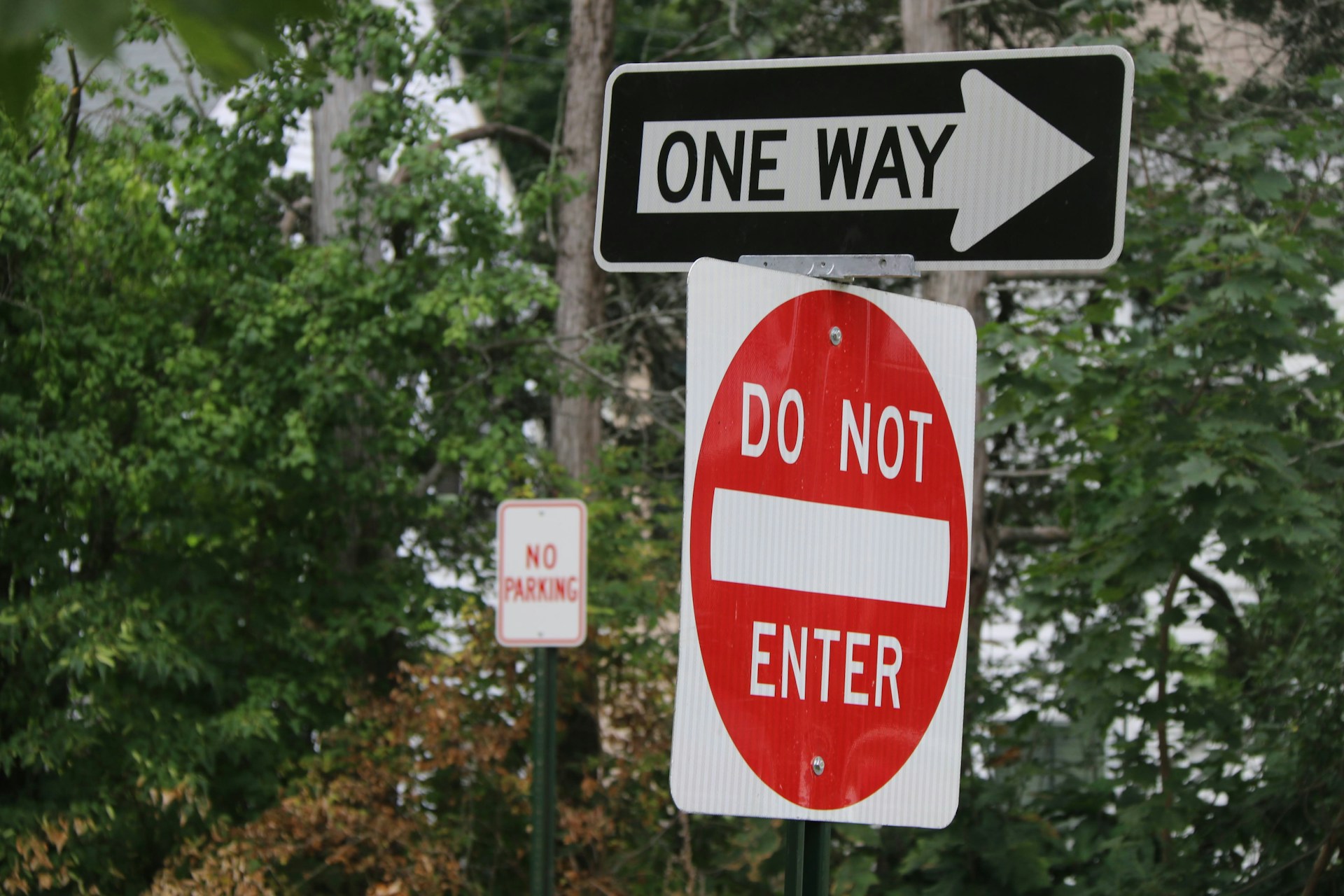
- Regulatory signs, like stop or yield, set rules that people need to follow while on your property.
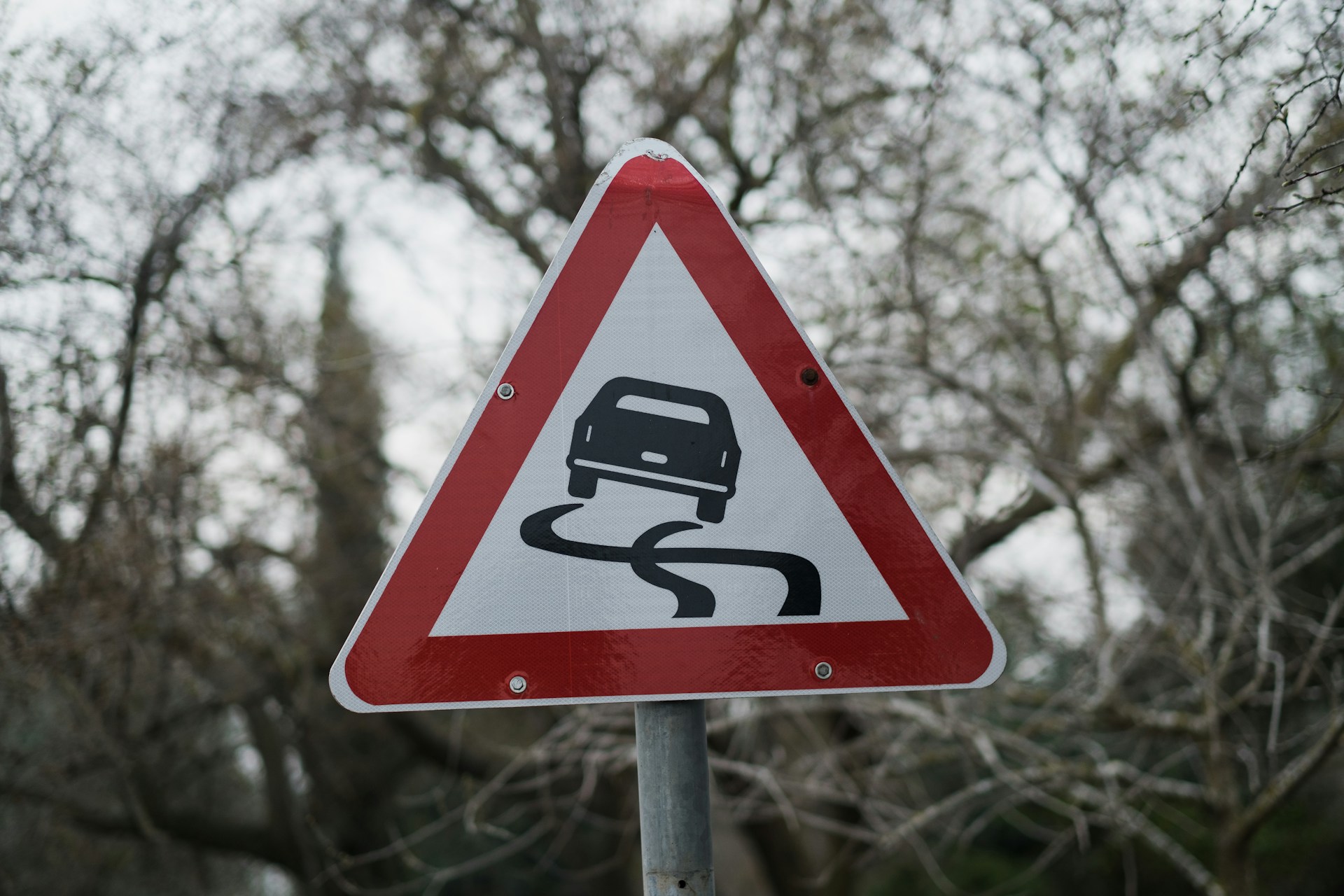
- Warning signs highlight risks like speed bumps, blind curves, or crosswalks.
Once you know what message you need, the next step is figuring out where to put it. Some locations get overlooked. That might be the far edge of a parking lot, a back access road, or a spot where foot traffic crosses a vehicle path. The goal is to catch people before they make a decision, not just after.
Visibility must be part of every placement decision. That means checking line of sight from the driver’s point of view as they approach. A well-placed sign is usually simple and direct, seen in time to act, and backed by clear pavement markings when needed.
Sometimes it helps to review how sunlight and artificial lights hit each area of your lot over the day. Shadows from trees or buildings can block a sign for key hours. Nearby parked vehicles can also create blind spots. Walk the property at different times, or take a quick drive-through yourself, and look for anything that could cause your signs to get missed. This simple step stops big placement mistakes before holes ever get dug.
Timing the Installation Just Right
Late winter is a tricky time to set posts or anchors. Temps rise during the day but still dip hard at night, especially throughout January and February. That freeze-thaw cycle can mess with installation if the ground is too soft in spots or prone to movement.
Old ice melt can linger well into February in shady areas, and leftover salt or moisture can weaken the stability of sign posts if not cleared away beforehand. Add in soggy soil from surprise thaws or February rain, and signs that seemed steady at install can start leaning weeks later.
Dry, above-freezing days with little wind offer the best conditions for getting signs set straight and level. That’s why we always recommend watching the forecast closely. Late winter allows for some windows of decent weather, but pushing installation too early in the season can backfire if the ground shifts or loses grip.
A little patience and planning can pay off here. Waiting for a stretch with firm, settled ground prevents rework or crooked posts that need repairs when spring fully arrives. Don’t forget to double-check for underground utilities before setting deep bases, too.
Understanding Materials and Mounting Choices
Not every sign has to be heavy-duty, but each one still needs materials that match up with where it’s going and how it will be used.
- Aluminum signs are lightweight, long-lasting, and a reliable go-to for most outdoor needs.
- Composite signs hold up well to scratches, dents, and long exposure to sunlight.
- Reflective finishes are smart for low-light areas or lots with overnight traffic.
It’s not just what the sign is made of, it’s also how it’s mounted. Surface-mount posts work well on concrete or paved areas without damaging the base. In-ground mounting can be more stable, but only if the ground conditions are right that day.
And don’t forget exposure. Signs near main roads or open areas will face more wind, rain, and grime from passing traffic. UV fading is real too. One side of a sign could face the sun all day while the other stays shaded. It’s these small factors that slowly wear down a sign if the wrong material is used or it’s installed in a way that doesn’t match its environment.
Some materials look great at first but struggle when things get wet, salty, or gritty after snow. If you’ve noticed signs from past winters losing their finish or developing rust, it could mean a switch in material or hardware is worth it. Compare how different finishes hold up over time in lots just like yours nearby, when possible.
Matching Your Signs to Local Standards or Needs
Even on private property, signs need to match up with how people actually use the space. We’ve seen too many layouts that look good on paper but don’t work in real life.
Walk the space as if you were someone new arriving for the first time. Think about all users, delivery people, kids, people with strollers, trucks making wide turns. Start identifying where decisions get made, where confusion could happen, and how you can help guide people from point A to B.
- ADA-compliant layouts make sure everyone can reach entries safely.
- Clear directional flow helps drivers know where to stop or turn before it’s too late.
- Signs should work together with parking lines, speed bumps, and crosswalks.
Design should follow flow, not the other way around. Getting signage placement right means watching the way people already use the area, then helping them get where they need to go with clear, well-placed cues.
Consistency is important too. When all signs on a property share the same size, color family, or mounting style, drivers and pedestrians can follow the message with less effort. This also keeps things looking neater and often makes maintenance simpler across seasons.
Common Mistakes to Avoid
A few common sign problems come up again and again, but they’re all avoidable with a little planning.
- Setting signs too low so they can’t be seen over parked cars or plantings.
- Installing too far off the driving line, where drivers speed past without noticing.
- Putting signs near trees or bushes that will overgrow by spring.
One easy fix is double-checking the space around the sign post. Will mulch shifts, puddles, or snow piles cover the base? Is it sitting near a curb that might get bumped by turning vehicles?
Another issue is unclear wording. Standard language is there for a reason. Skip clever wording in favor of signs that people instantly understand. Don’t guess at the message. Make sure it matches what’s expected for the location, something as simple as “Yield to Pedestrians” instead of just “Caution.”
Finally, before you finish layout, stand at the key turns and entrances, and ask: “Will this sign be obvious to someone who’s never been here before?”
It helps to update your site map each season and keep a simple list of which sign stands where. If a tree is due to bloom out or a new construction project is breaking ground, you’ll notice quickly if any signs are going to be blocked, damaged, or knocked out of position. This speeds up repairs and helps keep your layout working.
Make Your Signs Work Harder for You
Hyperformance Traffic Safety Supplies offers a wide selection of custom regulatory, warning, and directional signs, including MUTCD-compliant materials and posts that hold up in any season. Reflective finishes make sure signs stay visible through night and day, while sturdy hardware helps resist wind and frequent movement around busy lots. Putting some extra thought into your sign layout now helps reduce frustration for months or years ahead. When signs do their job, people don’t have to guess whether they’re trying to park, drop off a delivery, or just get through the lot safely.
By choosing the right sign type, watching the weather, picking the best materials, and thinking about how people really move through a space, we set ourselves up for better results. Custom traffic signage isn’t just about the sign itself; it’s about how well it fits into the whole picture. When every detail comes together, the signs don’t just last longer. They actually work better.
Optimize your space for safety and clarity with custom traffic signage designed to fit your specific needs. At Hyperformance Traffic Safety Supplies, we provide durable and visible solutions tailored to enhance your site’s efficiency and reduce confusion. With our expertise, you can trust that your signage will stand the test of time and keep your traffic flowing smoothly. Explore how our personalized approach to traffic signage can make a difference for you today.