Spring tends to bring a mix of new greenery, longer days, and a fair share of rain. While the season can be refreshing, slick roads and heavy clouds make driving more difficult. Headlights bounce off puddles, and faded road markings almost disappear in heavy weather. That’s when visibility matters more than ever. When everything looks gray, drivers need road lines they can actually follow.
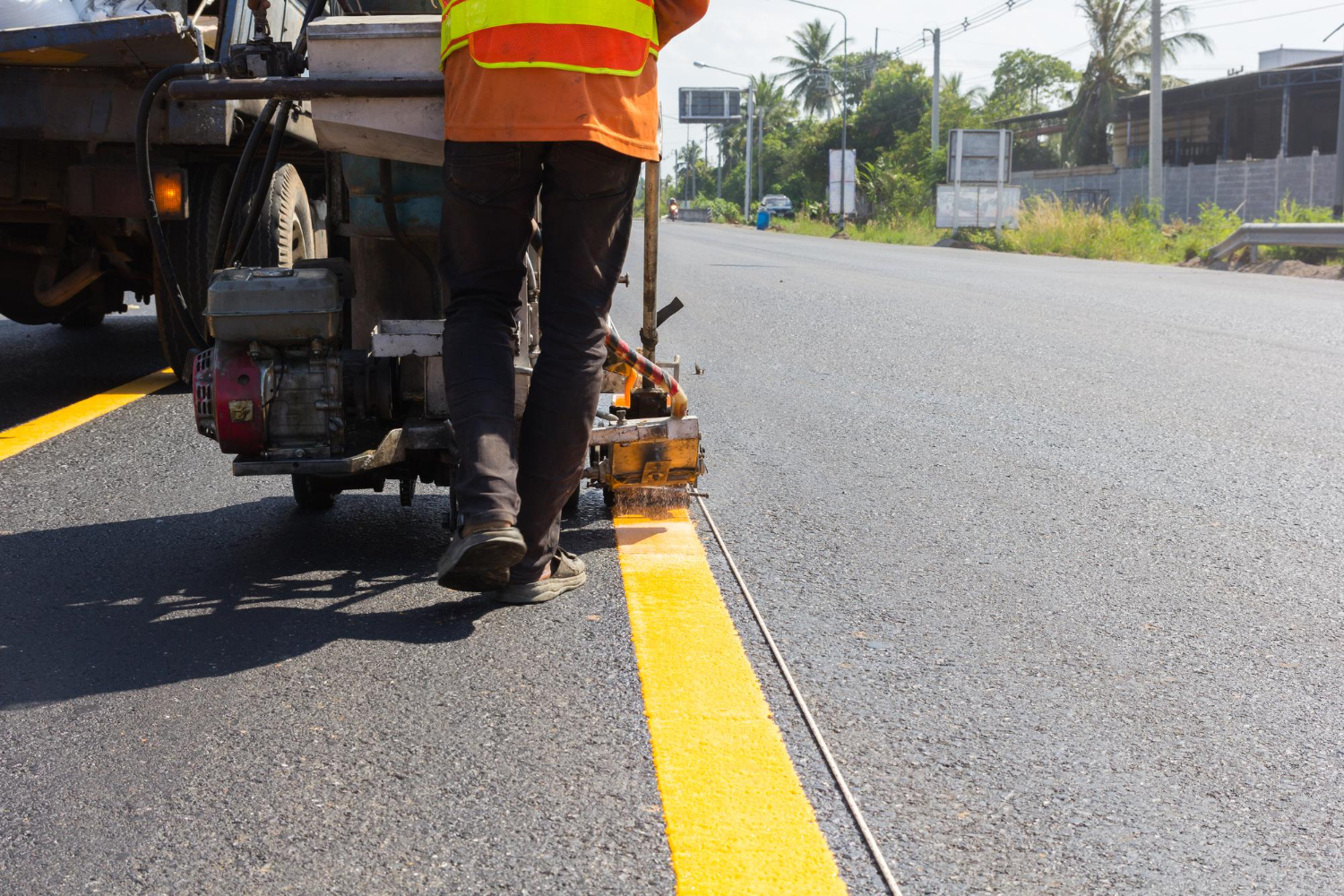
One way to help is through reflective road marking. These markings are built to shine back light from headlights, guiding drivers through lanes, turns, and stop zones, even in dim or rainy conditions. With the weather shifting and rainfall likely, now is the time to pay close attention to how those markings hold up and where they’re starting to fade.
The Challenge of Driving in Spring Storms
Spring storms don’t just dump water on roads, they change how drivers see and react. Even a short storm can fill worn pavement stripes with standing water, making them hard to spot. Add low-light mornings or overcast skies, and it’s easy to lose track of curb lines, turning lanes, and crosswalks.
When sunlight dims or reflections spread across the road, a driver’s judgment of distance and placement can slip. Here’s what makes that worse:
- Faded striping from winter wear doesn’t reflect well
- Rainwater covers the markings and makes them blend in with the road
- Headlights bounce off puddles instead of paint, creating glare instead of help
During these conditions, drivers depend on clear, bright markings to make safe choices, especially at busy or unfamiliar intersections. If roads don’t provide visual direction, that uncertainty leads to confusion, sudden stops, or swerving too close to another lane.
How Reflective Materials Work on Wet Roads
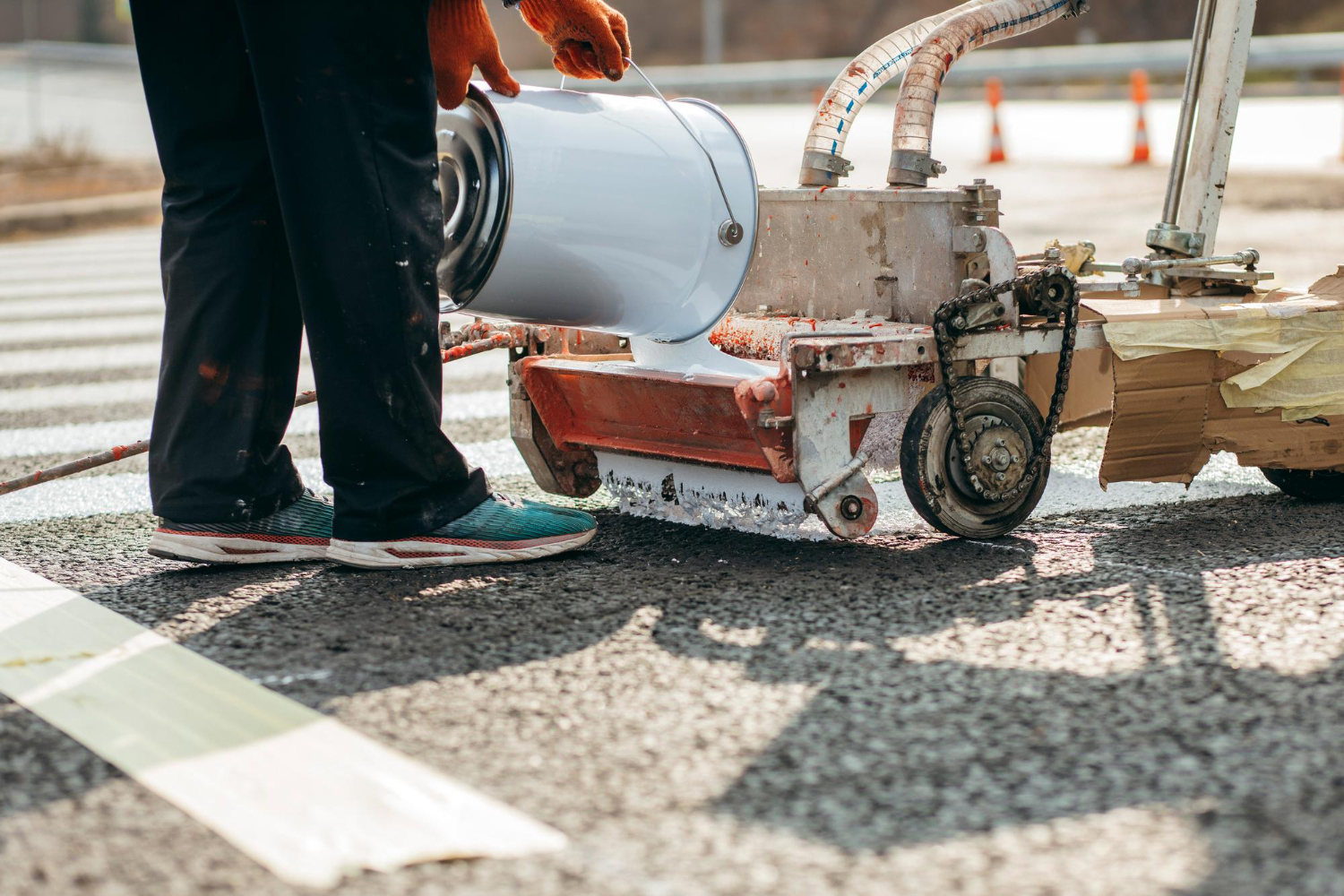
Reflective road marking may look like regular paint at first glance, but there’s more going on beneath the surface. These markings usually include tiny glass beads or light-sensitive materials that scatter and redirect light from headlights straight back toward the driver. That reflection stands out against wet surfaces.
Here’s what makes reflective markings different:
- Glass beads are embedded in the paint and rise to the surface as the paint dries
- These beads bounce light in a way that makes lines glow, especially in dark or wet conditions
- They work even better when headlights hit them straight on, which often happens during turns or on narrow roads
Standard marking paint tends to soak into the surface more or lose visual contrast when it rains. It might show up fine in daylight, but in a storm, it fades quickly from view. Reflective markings handle those shifts better and help drivers stick to their lanes even when puddles start to spread.
Where Reflective Markings Make the Most Impact
Not all road areas need the same level of visibility. But there are places where reflective material makes a bigger difference. Intersections, roundabouts, and spots with sharp curves become harder to read when the road is wet. That’s where reflection can prevent a missed signal or a wrong move.
Some good spots for reflective materials to shine include:
- Parking lots where drivers make quick turns around corners
- School zones where safety depends on clear walking zones
- Crosswalks and stop bars that must stand out during both rain and school traffic
- Residential areas which may have fewer lights and narrower roads
Another good time for reflective paint to do its job is during early morning or just before sunset. Light is low, and roads may still be damp. Those glowing lines help drivers stay centered without second-guessing lane edges or turn markings.
Reflective markings also help drivers who may be less familiar with the road. For someone passing through a new neighborhood or visiting a different city, clear lines become a crucial guide during a rainstorm. Plus, all drivers benefit from refreshed markings when spring brings heavier traffic due to events, school activities, or changing weather.
On highways and larger intersections, reflective material is vital for making sure merging lanes and passing zones are easy to see. When speeds rise, the margin for error shrinks, so those shining roadsides offer much-needed reassurance. In addition, reflective paint is a plus for delivery vehicles, public transit, and emergency responders who rely on clear navigation to keep routes safe and efficient.
Maintenance Timing: Why Spring Is a Smart Season
By early spring, road crews and city planners start looking at how markings made it through winter. Ice, salt, snowplows, and freezing temps all take their toll. Once the weather begins to warm, it’s much easier to repaint without worrying about snow or frozen surfaces.
If spring rains hit and roads instantly lose their visible stripes, that’s a sign it’s time to fix them. Rain shows where paint has worn thin and where visibility breaks down fastest. Getting that work scheduled before summer not only protects warm-season traffic but reduces the stress of rushing during the busiest travel months.
Reasons to handle it in spring include:
- Pavement is dry and warm enough for paint to cure
- Weather is predictable enough to plan without major delays
- It’s before school lets out and vacation traffic increases
A fresh coat on the right areas now could avoid bigger issues in a few months.
For public works teams and property owners, early attention to worn lines can keep everything running smoother well into the year. When roads are maintained ahead of summer, less time is spent reacting to sudden problems during peak use. Regular checks in spring make it clear which spots held up after storms and where upgrades are needed to handle more rain and traffic.
Addressing maintenance early also limits the time workers spend in traffic, keeping everyone safer as the roads get busier. Well-marked routes can deter unpredictable lane changes and avoid sudden stops. Plus, spring’s longer days provide the light needed for crews to work efficiently and see results immediately.
Safer Driving Starts with Smarter Marking
Spring rainstorms won’t stop coming, and when they hit, visibility can drop in seconds. Drivers rely on more than just headlights and brake lights, especially in areas without good overhead lighting. Having the road itself help by reflecting back those signals can make a big difference.
Reflective road marking doesn’t fix the weather, but it helps drivers keep track of where they are, even when water floods the roads or the sun dips early. That confidence matters. It lets people move through their day without second guessing a turn or pause.
Getting markings back in shape now means fewer risks during the months ahead. When the lines are clear, the road feels safer, no matter how cloudy the sky gets.
As spring rain clouds the sky, ensuring clear pathways on wet roads is crucial. Hyperformance Traffic Safety Supplies offers solutions that enhance visibility with our high-quality reflective road marking. These markings improve guidance under low-light and through every storm, keeping roads safer for everyone. Don’t wait for the lines to disappear; reach out to us today to fortify your roads for the coming rainy season.