When traffic control equipment stops working, things can go from smooth to chaotic in minutes. Whether it’s a failed traffic light, broken sensor, or disrupted communication system, the result is the same: confused drivers, frustrated commuters, and potential safety risks. That’s why a fast and clear plan can make all the difference.
Equipment failure isn’t rare. Wear and tear, extreme weather, software glitches, or even vandalism can knock out systems that keep roads moving. The key is knowing what to do the moment something goes wrong before a minor inconvenience turns into a full-scale traffic jam or worse. Having a solid response plan helps people stay safe and traffic keep flowing while longer-term solutions are put in place.
Immediate Response Steps When Equipment Fails
The first few minutes after traffic equipment fails are critical. How quickly you respond can determine whether the situation escalates or stays under control. The top priority is creating a safe environment for drivers, cyclists, and pedestrians while making sure you start restoring order immediately.
- Assess the area quickly: Evaluate the significance of the equipment failure. Is it a light out at a major intersection or a sensor issue on a quiet street? High traffic areas usually require immediate attention and faster setups.
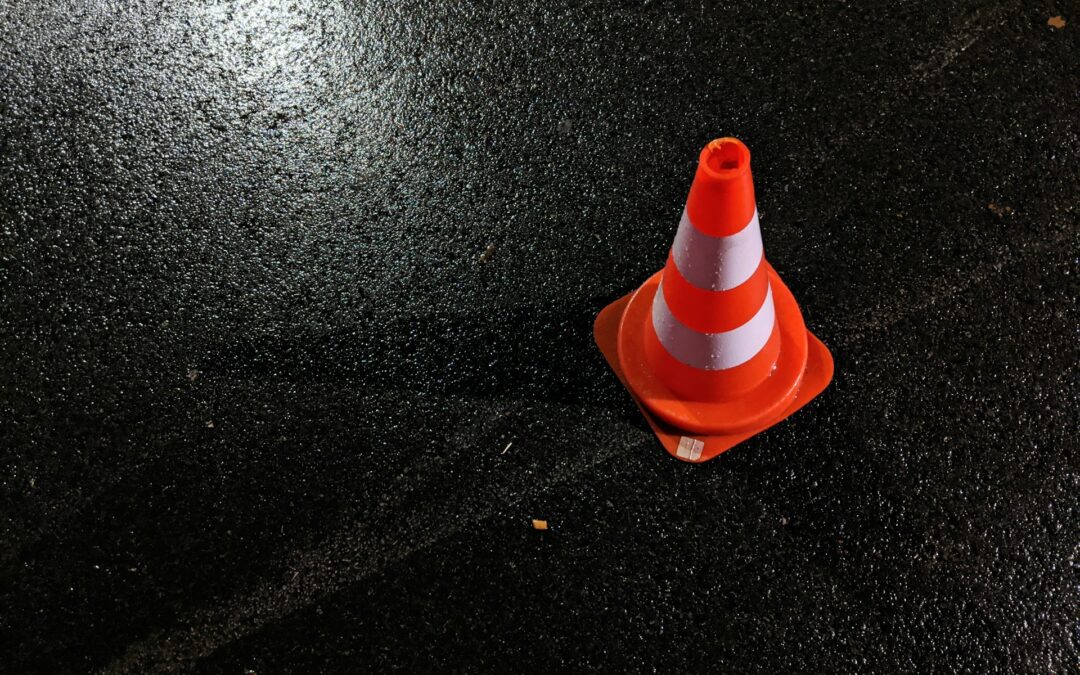
- Put up emergency signage: Cones, signs, or barricades provide clear guidance to drivers. Even a basic sign like “Signal Out – 4-Way Stop” reduces confusion and reminds drivers to be cautious.
- Deploy temporary traffic control devices: Use portable signals, flashing beacons, and reflective barricades to control flow during outages. These temporary solutions provide visibility and help drivers respond appropriately.
- Alert on-site staff or support teams: Make sure at least one person is assigned to monitor the affected area until repairs are made. Flaggers can help guide traffic while technicians address the issue.
- Protect pedestrian crossing points: Intersections with downed signals pose real risks for pedestrians. Setting up temporary pedestrian crossing signs or assigning crew to direct crossing can reduce those dangers.
Real-life example: During a citywide power outage, crews deployed portable LED stop signs at multiple intersections within 20 minutes. Despite the disruption, traffic remained orderly and no incidents were reported. Speed of deployment made all the difference.
Temporary Signal Management and Rerouting Traffic
If the fix will take time, the next step is re-routing and managing traffic with temporary setups. The main goal is to redirect the flow safely and clearly, minimizing backup while keeping people informed.
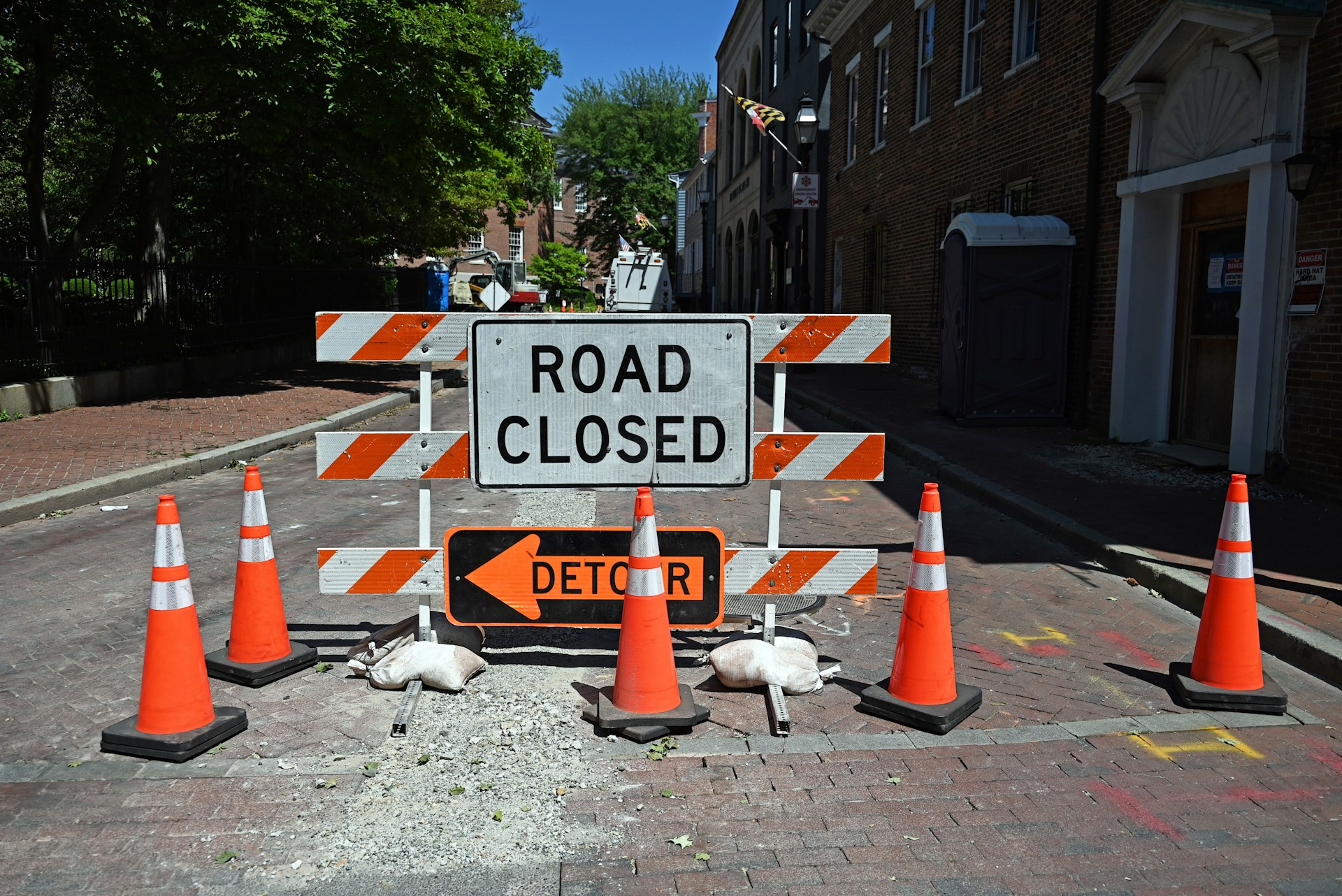
Temporary rerouting starts with evaluating nearby alternate routes. If backup streets are available, place detour signs to guide drivers quickly and clearly. Be sure these signs are easy to read from a distance and don’t leave motorists second guessing.
– Use clear detour signs at appropriate intervals
– Lower speed limits near problem zones using signs that are visible in fog, rain, or darkness
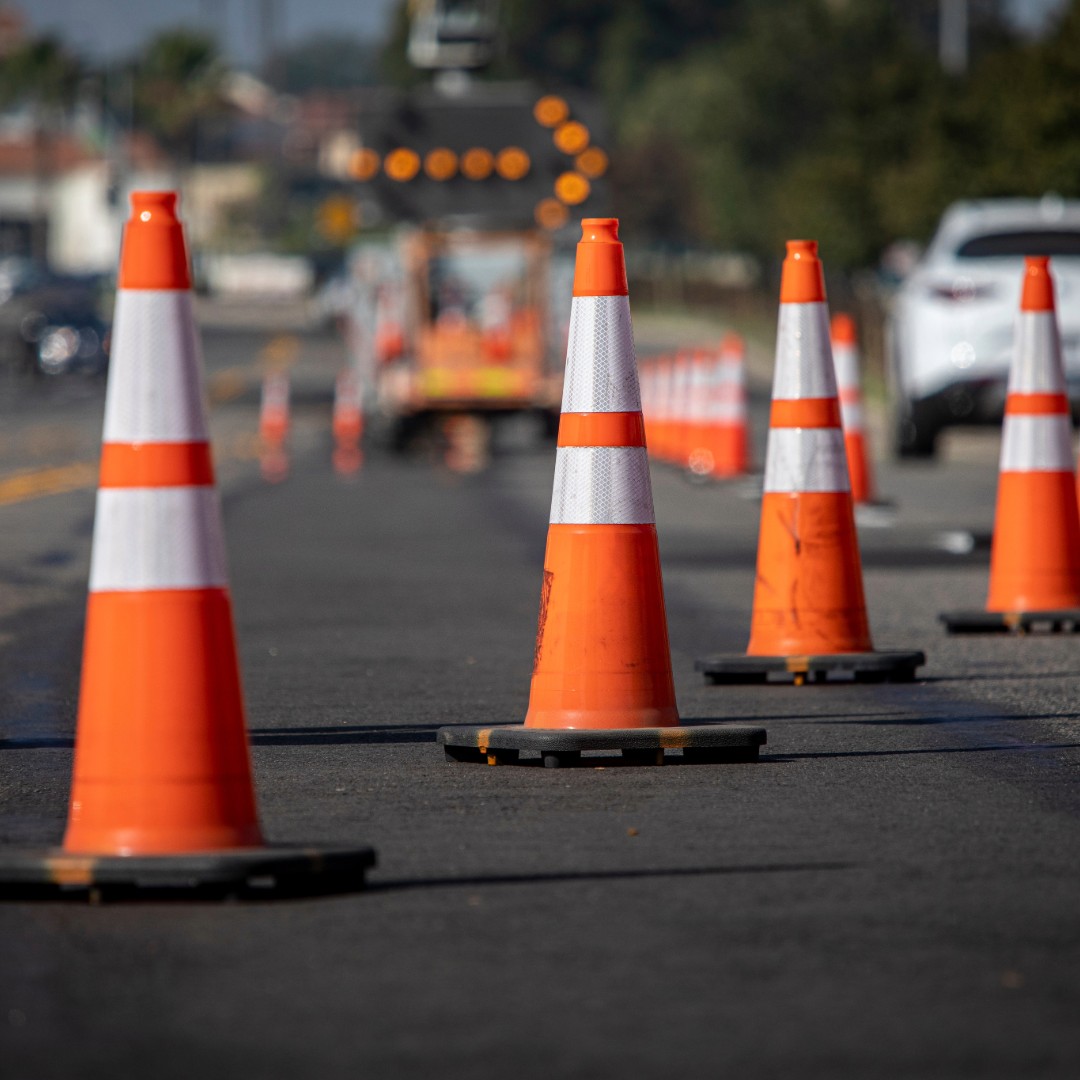
– Set up cones or barrels to close lanes or guide cars through new routes
High-volume intersections or those with tricky layouts benefit from having law enforcement or trained flaggers direct traffic. These individuals can make rapid decisions based on volumes and driver behaviors, which signs alone can’t always predict.
Time of day matters. What works during mid-morning may fall apart under rush hour pressure. Watch peaks and valleys in traffic, and shift your layout if needed to adapt to the current flow.
It’s often helpful to do equipment replacements or upgrades during low-traffic periods like late evenings or early mornings. Fewer drivers equal fewer hazards, making the space safer for workers and reducing potential confusion for road users.
Strong rerouting strategies rely on clear communication, smart signage, and consistent monitoring. Drivers should never be left wondering what lane to be in or how to proceed. Every minute detail, from cone placement to advance warning signs, makes a difference.
Communication and Coordination With Authorities
Getting fast support from local authorities is one of the strongest aids to handling traffic failure. Whether you’re dealing with a county road or a city grid, good communication can buy time and keep things under control.
Always start by notifying traffic management centers, local police, or public works. Law enforcement can help direct traffic, block off areas, or step in for emergencies. If your issue affects school zones, detour routes, or access to hospitals, call emergency coordination teams right away.
What should your updates include? Be clear about which piece of equipment failed, the location, its current state, and your expectations for how long repairs will take. Share what has already been done to manage traffic so overlapping responses can be avoided.
Traffic control supplies like smart signage, handheld radios, or mobile light systems help in sharing updates between teams. If your staff works across miles of road or in noisy intersections, these tools keep things moving without needing face-to-face communication. Tablets or traffic dispatch programs are also used by teams to log problems, share status updates, or request backup.
Keep the information flowing during your repairs. If something changes or if unforeseen risks appear, share that with nearby authorities. Traffic rerouting apps may also need to be updated in real-time so that commuters and mapping software don’t guide vehicles toward a shutdown zone.
A standout example was during a town fair where signal timing failed near a main exit. Field teams contacted local police within minutes through a shared app. Officers arrived quickly with mobile lights, keeping the event traffic steady while the issue was addressed. Because communication was tight, disruption was minor despite the big crowd.
Preventing Future Equipment Failures
What you do after the incident often plays the biggest role in preventing another one. Once traffic is flowing normally again, look closely at the failed component and log what happened. Being proactive reduces the chance of repeat occurrences and allows for more predictable repairs.
Start a record of past outages by type and location. Repeated issues with wiring or power sources should raise red flags. Identifying repeat problems allows teams to target upgrades rather than playing catch-up every time.
Plan for seasonal checkups. Storms, temperature swings, and UV exposure all put wear on traffic systems. Doing checks before heavy weather hits lets you catch weak spots like drained batteries or faded lenses before they cause a complete failure.
Extra protection comes from using high-quality equipment and better materials. Shoddy parts may save money right now but cause more breakdowns over time. Durable traffic control supplies often lead to longer lifespans and fewer replacements—saving work hours and hassle.
Here are a few maintenance habits that protect your overall system:
- Inspect controllers, wiring, and bulbs routinely
- Choose water-resistant supplies where needed
- Replace plastic signs with heavy-duty versions built for rain, wind, and sun
- Test battery units or generators regularly
- Train crews to flag issues during and between inspections
It’s impossible to prevent every gear failure. But when you take care of your tools, track patterns, and upgrade when needed, you greatly reduce the odds—and react faster when something unexpected hits.
What Preparedness Really Looks Like
Handling traffic during an equipment failure takes more than repair skills. It involves fast action, calm communication, extensive preparation, and dependable tools. All together, these elements keep people safe and roads flowing smoothly despite the breakdown.
From using cones and portable beacons to coordinating with local officers, the first few decisions can set the tone for the entire response. Planning makes a huge difference. Having traffic control supplies ready to go means you aren’t scrambling in an emergency, and a good stockpile of reliable gear reduces stress during high-pressure moments.
Done right, traffic recovery operations show the depth of preparation and cooperation among crews. Whether it’s a rushed setup before a big event or a sudden outage during rush hour, readiness stands out as workers move into position knowing the drill.
Traffic might seem simple at first glance, but when parts fail, it’s your plan, supplies, and teamwork that hold everything together. Be ready, stay flexible, and always keep safety first.
Ensure your team is always ready to handle disruptions with reliable traffic control supplies from Hyperformance Traffic Safety Supplies. Our comprehensive range of products is designed to keep traffic flowing smoothly and enhance safety under any circumstances. Equip your operations with the tools and support needed to manage equipment failures efficiently. Stay prepared and keep your roads safe with our top-notch solutions.