As the tail end of winter gives way to early spring, most of us are ready for longer days and milder weather. But for those of us working with pavement marking equipment, this change in season also brings something else: unpredictable conditions that make our work more complicated. When the ground is cold in the morning and warmer by noon, it affects both the road surface and the materials we apply. If we’re not prepared to deal with those temperature swings, the marking quality can suffer, and jobs take longer than necessary.
This is the time of year when our equipment really gets tested. Paints, thermoplastics, adhesives, and other materials don’t all behave the same way in changing temperatures. One day it’s damp and chilly, the next it’s dry and windy. Road crews and striping teams need gear that stands up to those shifts and adjustments we can make on the fly. Knowing how our machines react to seasonal changes helps us avoid delays and rework later.
What Happens to Pavement in Changing Temperatures
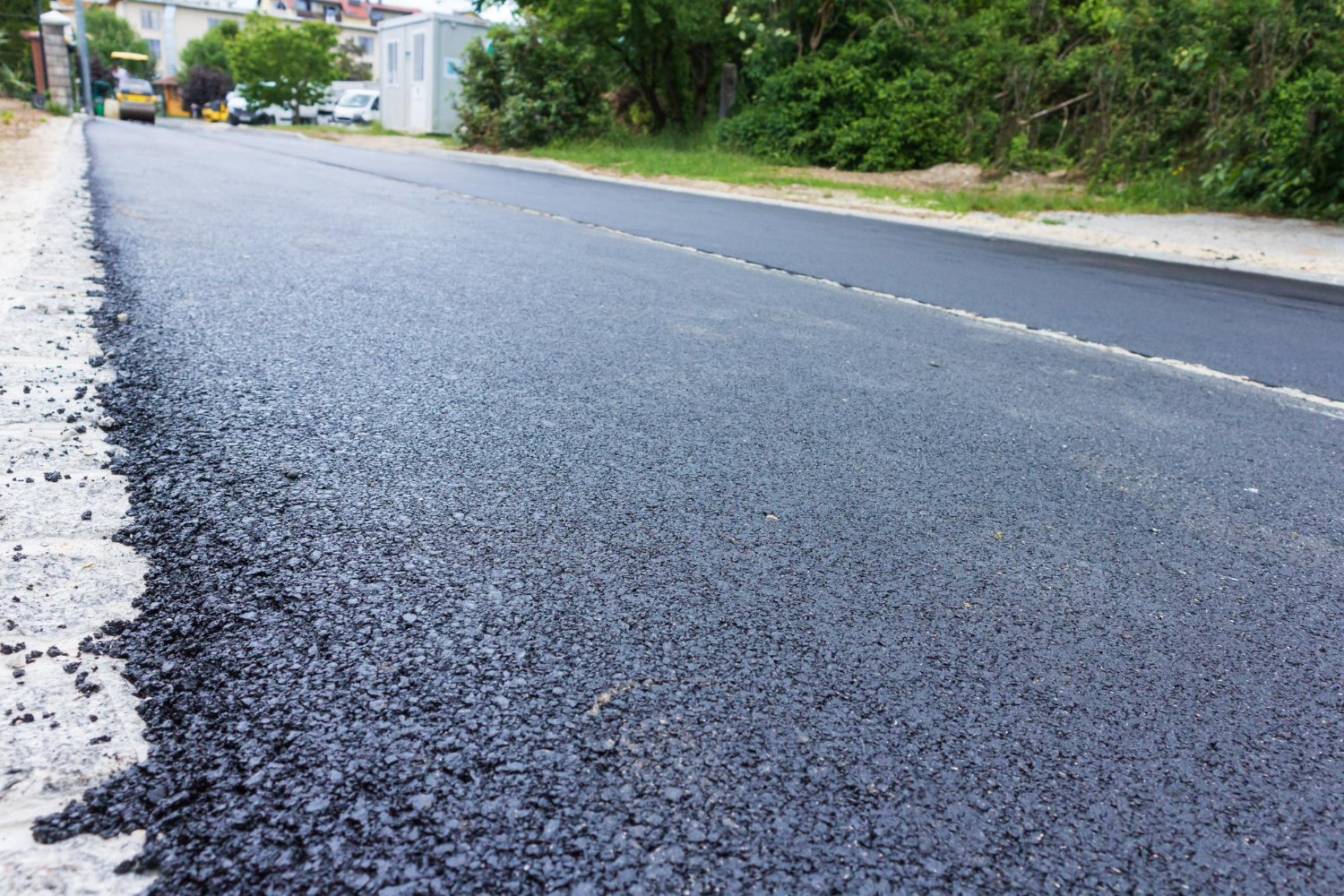
Before we talk about the equipment itself, it’s helpful to look at what early spring weather actually does to the pavement. Asphalt and concrete don’t just sit there unaffected. When the temperature goes up and down from morning to afternoon, that surface moves too.
- Asphalt expands and contracts with each shift in outdoor temperature. Winds, overnight frost, and fast warmups can add to this movement.
- Cracks open up or hold moisture from melting snow. Those damp areas aren’t easy to work with and can mess with adhesion.
- Then there’s the mess left behind: salt, sand, and road dust, which clings to damp surfaces and gets in the way unless it’s cleaned first.
All of that adds up to one thing: we can’t always treat roads the same way as we do in warm, steady weather. Surface prep is more than a quick sweep.
How Pavement Marking Equipment Responds to Temperature Swings
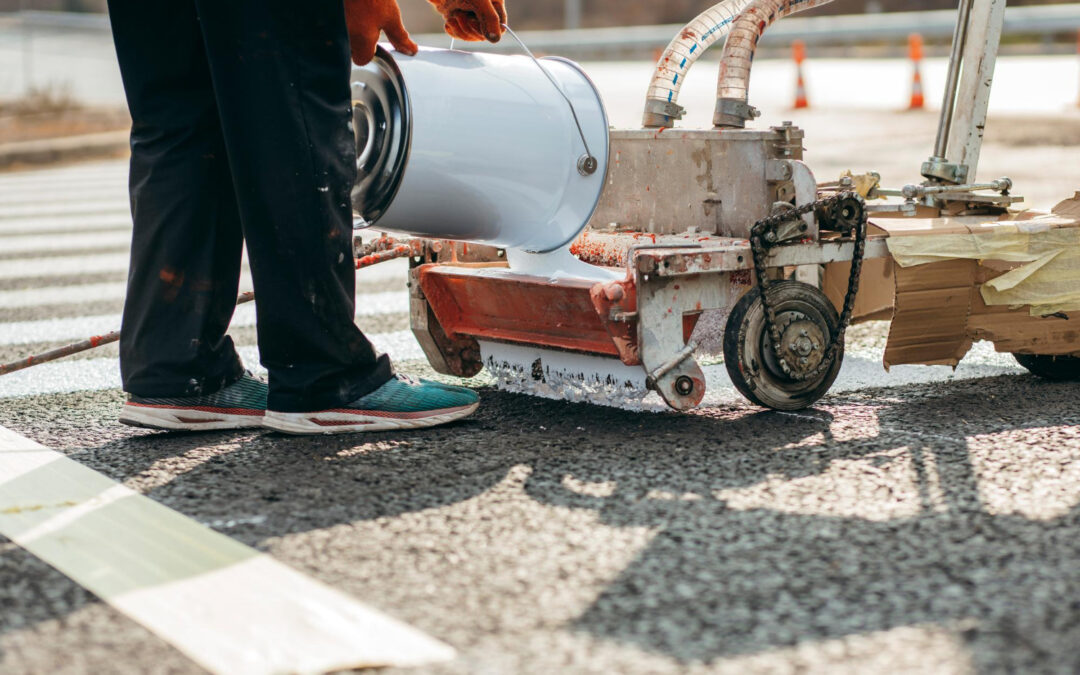
The truth is, we rely on pavement marking equipment to respond just as flexibly as the weather changes. And not all machines are built the same, which means we sometimes need to make small adjustments throughout the day.
- Heated systems help apply thermoplastic lines by keeping materials warm and flowing, even if the air is still on the chilly side.
- Spray systems may need viscosity changes to lay down lines evenly. A thinner material can overspray, but if it’s too thick, the nozzle clogs.
- We often have to warm up our machines before starting work. That means checking for cold-start issues, stuck pumps, or lines that dried out during overnight cold.
Using the right tools matters, but knowing how to work them based on the season matters even more. Spring weather swings can happen fast, so it’s about building a process that rolls with it.
Challenges of Morning vs Afternoon Application Windows
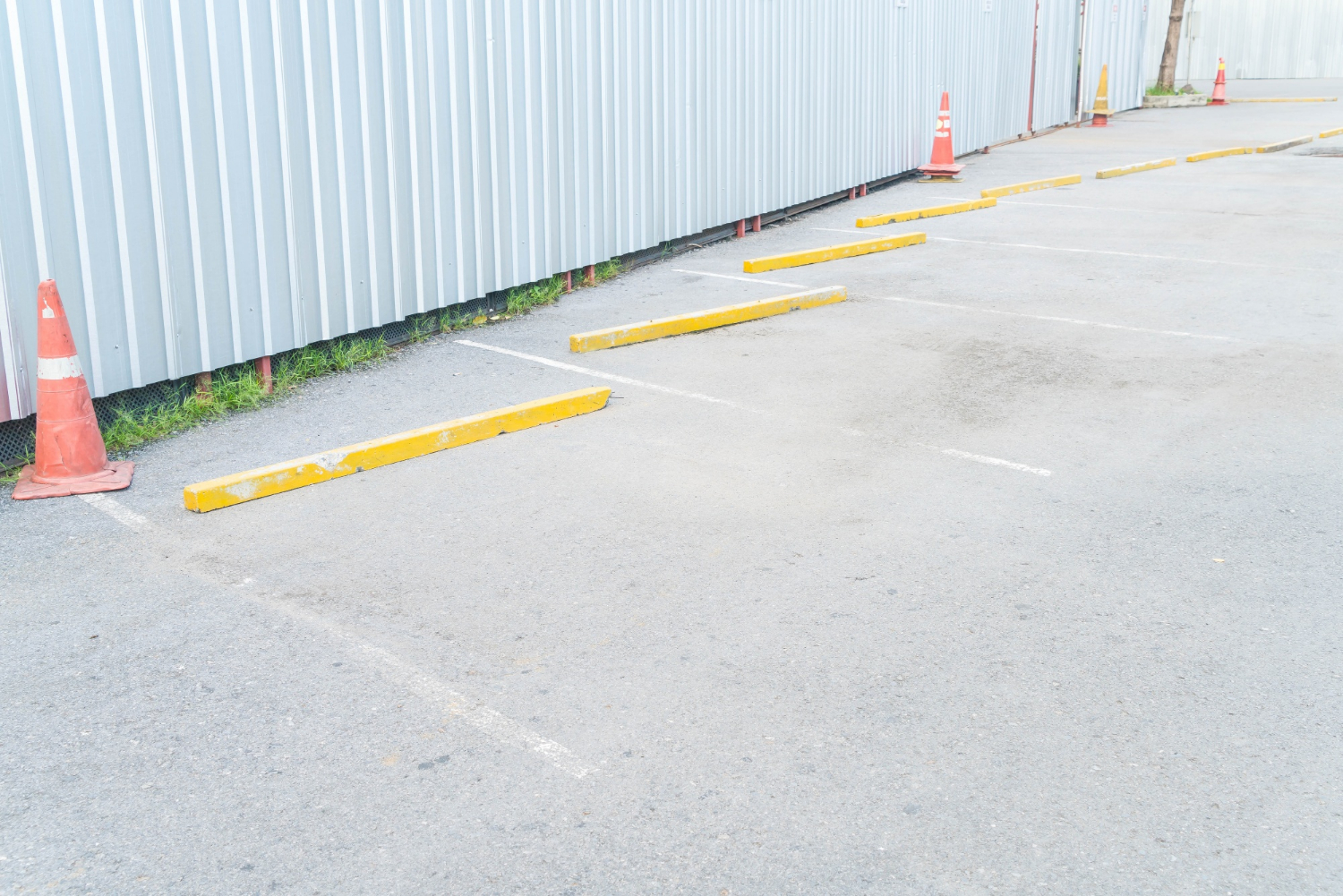
If there’s one thing we’ve learned, it’s that timing plays a big role in early-season striping. A road that seems ready first thing in the morning might not be ideal for marking yet. And later in the day, the conditions may change again.
- Early mornings can be colder than expected, which means moisture might still sit on the surface. Waiting for a dry zone could take an hour or more.
- Afternoons are warmer and give materials a better chance to bond, but if the temps drop too fast after sundown, those lines might not cure the way they should.
- Paying attention to local timing and weather trends helps us know how to plan each day. A few hours one way or the other can make the difference between a solid job or having to return and correct weak spots.
Planning around temperature and sunlight isn’t always easy, but it beats having to redo work that didn’t set the first time.
Surface Preparation and Material Choice in Mixed Weather
We don’t always get warm, dry pavement this time of year. Half-dry roads, chilly concrete, or leftover salt from a late snow flurry can all work against us. Choosing the right prep process and materials helps us stay ahead.
- On cool or damp ground, some marking materials don’t stick as well, so switching to a mix that works better in spring can help.
- Cleaning off the surface isn’t optional. Even if it looks clear, we often use a primer or surface cleaner to make sure it’s ready.
- Equipment with fine-tuned temperature controls helps put down better lines. Adjusting those settings during the day lets us deal with surprise cold snaps or wind gusts.
It all comes down to removing as many “what-ifs” as we can. When the pavement is clean, the material is suitable, and the system is calibrated, the final markings hold up better, even when the weather plays games.
Maintenance Tips for Equipment During Early Season Use
Spring start-up is always a time when we look over every piece of pavement marking equipment before hitting the road. Winter doesn’t just wear on the roads, it can take a toll on the machines too.
- Before the season picks up, we check hoses, fittings, tanks, and spray systems for any cracking or buildup. If something’s stiff or looks corroded, we replace it.
- Cold and damp nights can lead to blocked or frozen lines. That’s why we store gear in dry, temperature-stable spaces whenever possible.
- Preventative care saves more time than emergency repairs later. Swapping out worn parts in March is easier than trying to fix something broken in April rush season.
We treat every maintenance check like it matters, because it does. A small clog or leak can ruin hours of good striping if it goes unnoticed.
Small Shifts, Big Differences in Spring Striping
As we move from winter into spring, pavement marking becomes less predictable and more about adapting on the go. A few degrees of temperature change can affect drying times, adhesion, and how the markings look when they’re finished.
We’ve learned to stay flexible. That means changing the time of day we start, switching materials when needed, and keeping our equipment in top shape. It’s not just one big change that throws a job off, it’s a bunch of small ones. But when we pay attention and adjust when needed, the results speak for themselves.
Spring striping may come with extra steps, but if we take the time to plan, we get better, longer-lasting markings and fewer returns to patch things up. That’s a win for everyone.
Stay ahead of the early spring temperature swings with our dependable pavement marking equipment. At Hyperformance Traffic Safety Supplies, we offer robust solutions that adapt to changing conditions, ensuring clear and durable markings every time. Let us equip your team with tools that handle the unpredictability of spring weather so that every line you lay down stands the test of time. Reach out today to secure the equipment you need for successful seasonal striping.