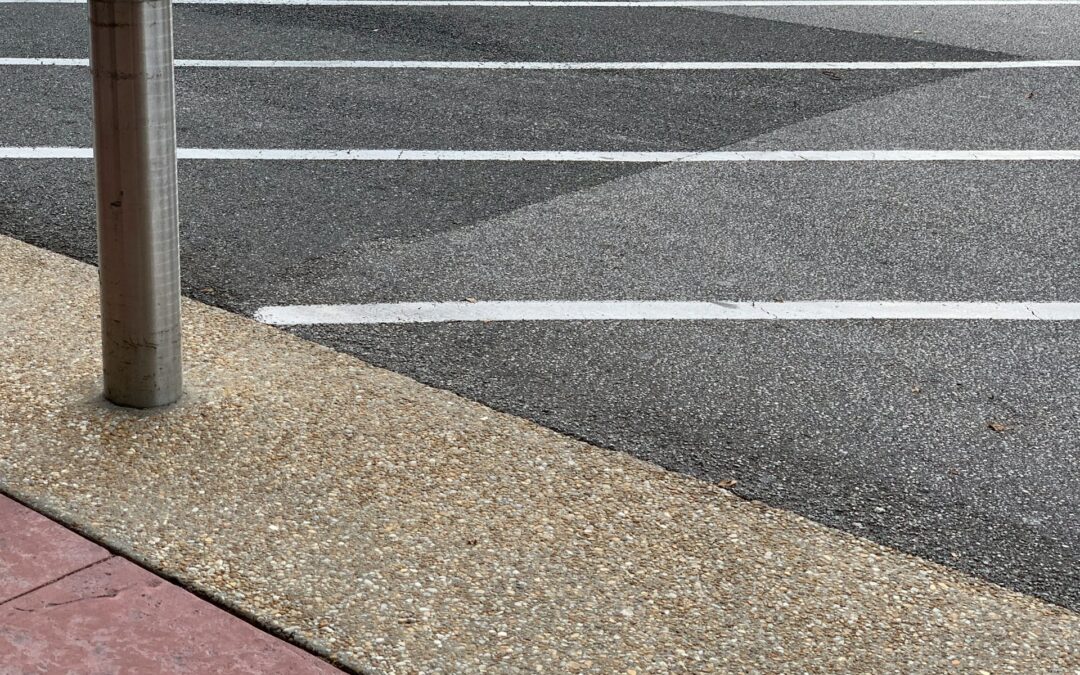
Pavement marking in Conover, NC, doesn’t always last as long as it should. A freshly painted lot can look clean and sharp at first, but sometimes those bold white and yellow lines begin to fade too quickly, sometimes within months. We’ve seen this happen across our local region, especially after the colder months wind down and late winter turns into early spring.
That timing isn’t a coincidence. Everything from the weather to the surface and traffic patterns plays a role in how long pavement paint holds up. When those pieces don’t line up just right, markings fade faster than expected. By understanding what causes early wear, we can help businesses and property owners make smarter upkeep choices and avoid wasting time or money on touch-ups too soon.
Why Weather in Conover Speeds Up Fading
Cold weather doesn’t just slow painting season, it affects how long that paint sticks around. Winter in Conover brings a pattern of freezing nights and relatively warm afternoons. That back-and-forth puts a lot of stress on paint that’s meant to stay in place.
- When the temperature swings up and down, surface materials expand and contract. That slow movement weakens how paint bonds to the pavement.
- Even when there’s no snow, we still see a lot of late-season rain. When water sinks into the surface right before striping, it pushes against the paint from below after it’s applied.
- Once spring starts creeping in, overnight frost can still return. If the paint isn’t fully cured, any cold snap can crack the surface or cause sections to lift.
This kind of back-and-forth weather is common in western North Carolina. If painting happens during one of these shifts, the results probably won’t last. This makes it important to consider the timing of every pavement marking project, since ignoring these cycles can quickly lead to faded or damaged lines before summer even arrives.
Sun, Shade, and Surface Exposure
Sunlight plays a bigger role than most people think. Even sturdy pavement paint doesn’t handle constant sun exposure forever.
- Direct UV rays weaken striping pigment over time, especially on open lots with limited shade.
- In contrast, shaded areas cool faster but don’t let paint cure as evenly. This slower drying time can lead to uneven striping results.
- Lots that have mixed surfaces, newer asphalt next to older, worn material, can age differently. This can cause patchy-looking lines even when applied all at once.
We often notice that one half of a parking lot looks more faded just a few months in, while the other side still looks decent. In many cases, the only difference is how much sun hits the pavement or how the water drains off after a storm.
Paint that bakes in direct sunlight day after day will lose its brightness and adherence faster, while shaded spots might suffer from slow curing or mildew, creating differences you can see just by walking across the lot.
Traffic and Surface Friction
Heavy use is another big cause of short-lived markings. Areas with frequent turning or stopping wear out the fastest.
- High-traffic areas, like entry lanes or drive-thrus, take a beating day after day. Every tire that scrapes across a line gradually wears it down.
- Delivery vehicles, buses, or waste trucks are hard on pavement. Their weight and tire patterns grind against the surface more than standard passenger cars.
- Parking lots with gravel patches or poorly swept corners will have small rocks that create friction with every pass, acting almost like sandpaper.
You might notice that the same line is bold on one end and barely visible on the other. Usually, that spot is where most vehicles turn or slow down, stripping away paint faster than other parts of the lot.
Over time, these patterns become even more noticeable as heavy vehicles frequent the same space, compacting and roughening the asphalt. Areas near entrances, exits, and turning lanes tend to fade before more isolated zones, and lots that don’t get swept or cleaned regularly can see lines disappear with surprising speed.
Issues with Application Timing and Prep
Even the best materials won’t hold up if they’re applied the wrong way or at the wrong time. This is especially true during colder months, when it’s tempting to fit in striping just before spring.
- If painting takes place while the surface is still wet from rain, melting frost, or irrigation, the paint has nothing solid to hold on to.
- Leftover de-icer, salt, or sand used during the winter months can linger in cracks or surface pits and stop the paint from curing properly.
- Rushing to finish during a short warm stretch in winter often leads to uneven coating. Paint that’s too thick will crack as it dries, while paint that’s too thin won’t survive regular use.
Proper surface prep is part timing, part cleaning, and part experienced technique. When any of those are rushed or skipped, even good striping jobs can look like they’ve aged years after just a season.
Cleaning away salt, sand, and debris before painting is crucial, but letting the pavement dry completely after storms or early-morning frost is just as important. Many paint jobs fail simply because marking began a few hours too early, so crews must stay patient and wait for clearer, drier conditions. Thorough surface preparation means making sure the lot is swept, washed, and allowed to dry, which allows the paint to bond fully and prevents premature flaking.
A Smarter Way to Think About Fading Paint
Hyperformance Traffic Safety Supplies uses marking paints and reflective glass beads approved for DOT and MUTCD compliance. Every pavement marking is chosen to meet local weather and surface conditions found in Conover, helping new lines stay visible through traffic, rain, and UV exposure. Our crews rely on careful prep, surface cleaning, and professional timing, so paint bonds fully and lasts longer.
A lot of this wear comes from small missteps, timing a project a day too early, painting without checking the surface carefully, or skipping layout because the job feels quick. But over time, those small details add up. Paying close attention during prep and picking the right stretch of weather helps lines stick longer. Taking these steps makes a big difference in the end result and can extend the useful life of every marking job you schedule.
By staying alert to what leads to early fading, we protect more than just the paint. We help parking lots stay safer, cleaner-looking, and easier to manage throughout the year, especially as the winter season slows down and spring approaches.
Line visibility matters for safety as well as appearance, so keeping markings bold helps guide traffic, mark spaces properly, and support overall organization. Whenever possible, take extra time before painting to make sure the surface is ready because those precautions add up to better results in every season.
Protect the longevity of your markings against Conover’s challenging weather with expert pavement marking in Conover, NC solutions from Hyperformance Traffic Safety Supplies. Our high-quality materials and professional application ensure your lines remain vibrant and clear year-round, handling the elements and traffic wear effortlessly. Reach out to us today to discover how our superior techniques can maintain the safety and aesthetics of your parking spaces.