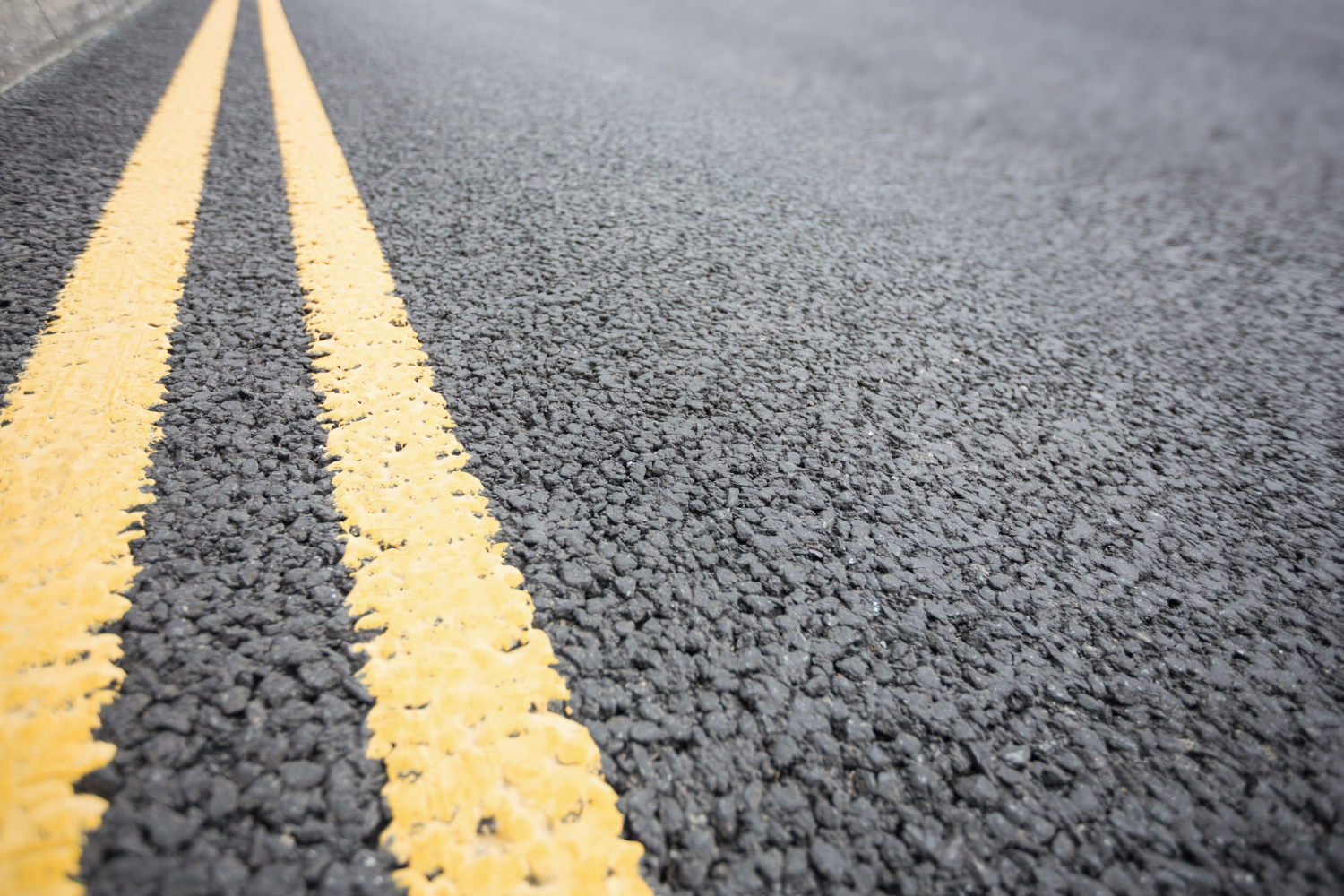
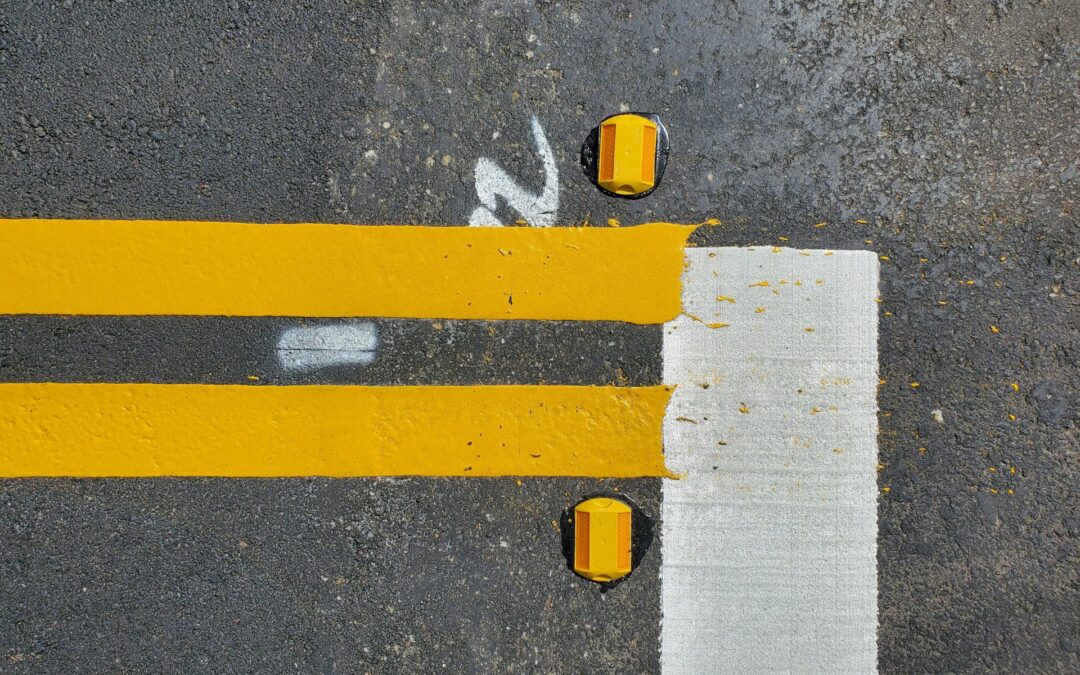
Street markings do more than decorate the road. They guide drivers, help cut down confusion, and keep traffic flowing. When roads stay busy, clear lane lines and symbols can make a big difference for safety and timing. That’s why choosing the right approach to road line painting really matters.
Early spring is when we start to see more activity on the road. With winter out of the way and drier weather ahead, it’s a good time to check which street markings need attention. Not every method works the same for different road types. Some hold up better under heavy traffic, others are quick fixes for short-term needs.
This guide looks at different methods used to paint lines on busy roads and why timing, tools, and materials all play a role in how long that paint stays visible.
Choosing the Right Time for Painting
Weather plays a big part in how well paint sticks to pavement. Spring, especially the first few weeks of April, usually brings conditions that help paint cure properly. Mild temperatures and low moisture give paint a better chance to bond with the road surface.
Here’s why early April works well:
- The ground has warmed up enough to avoid issues with paint drying too slowly
- Days are longer, so work crews can schedule more daylight hours
- Rain is lighter and more spread out, keeping moisture levels lower during paint jobs
Planning road line painting around this window helps reduce delays and sets up a longer lifespan. Roads should be as dry and clear as possible before starting any striping. Dirt, leftover de-icers, or grit from snowplows all need to be cleared before paint or thermoplastic goes down. That prep step matters just as much as timing.
Temporary vs. Long-Term Paint Methods
Not every paint job is meant to last forever. Some are designed for quick changes during construction or short projects. Others are built to stick around for years. Picking one over the other depends on road use and how long the markings need to stay.
Short-term paint options like water-based or fast-dry paint are useful when:
- Lane layouts are shifting during a temporary build
- Weather may still change and affect long-term bonding
- Roads will be repaved again soon
For areas that see heavy use, like main roads or multi-lane intersections, more permanent materials are usually the better choice. Thermoplastic, cold plastic, or epoxy-based products bond tightly to the road and handle more wear.
Long-term striping is a better fit for streets where we want solid visibility through all seasons. These materials often include reflectivity so they shine under headlights and remain clear through longer nights or bad weather.
Techniques for High-Traffic Streets
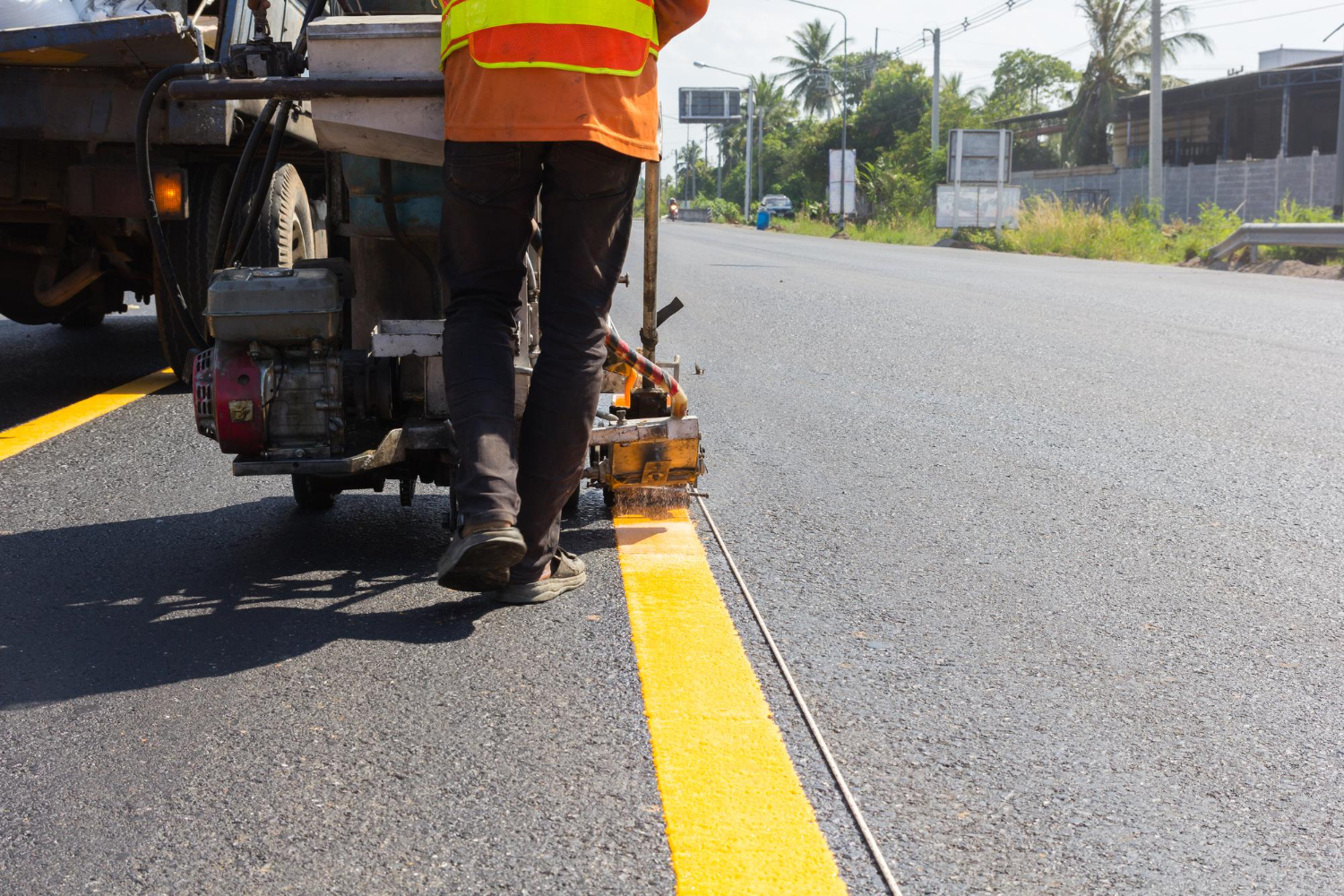
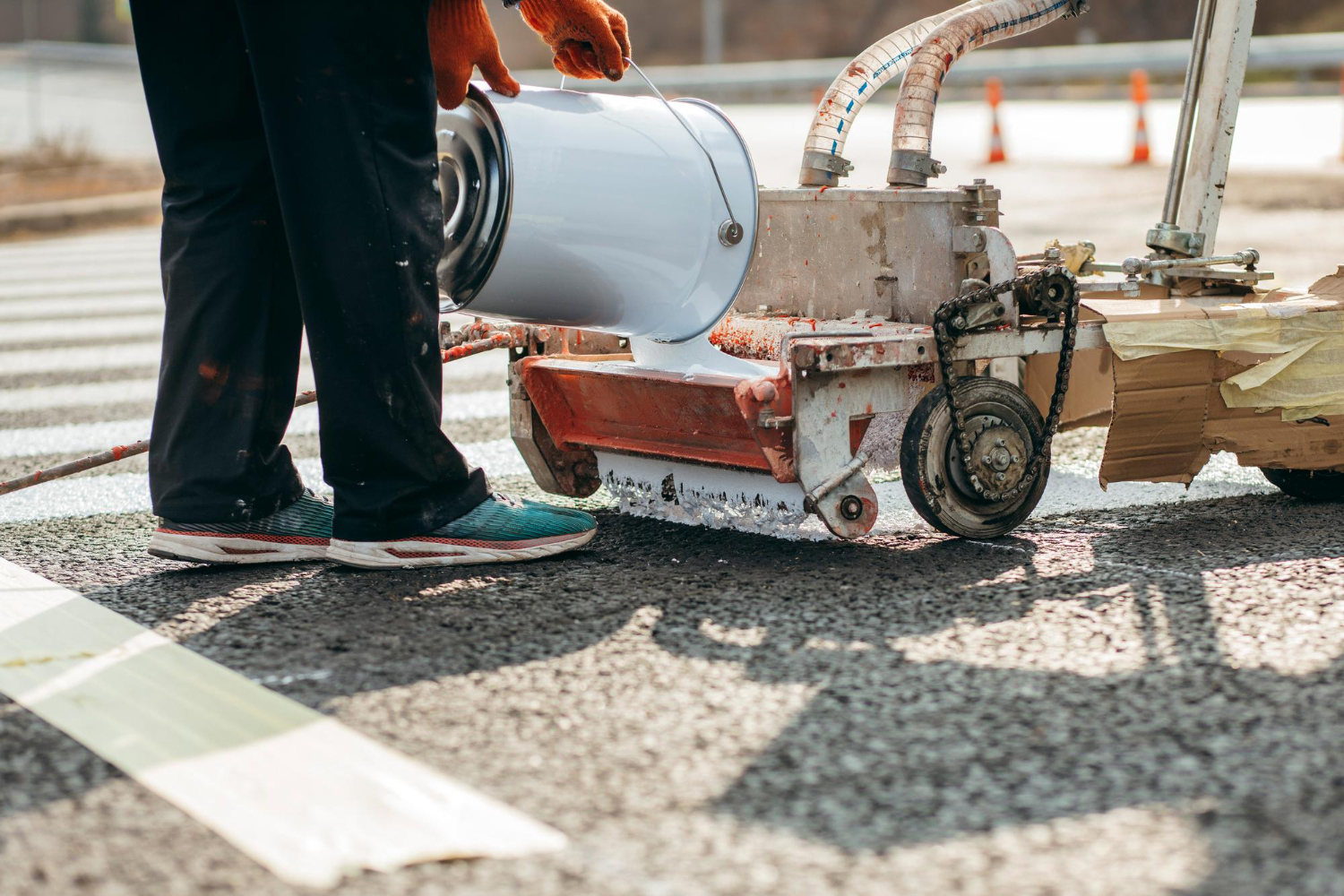
Painting on busy streets means moving fast without cutting corners. Equipment matters here. The right tools speed up the job and make sure the lines stay even.
- Airless spray systems apply paint quickly and evenly without wasting much material
- Machine stripers follow guides or sensors to lay out lines with strong accuracy
- Manual sprayers still help in tight areas, especially near curbs and small zones
Each method has its place depending on road width, traffic flow, and time allowed. It’s all about finding the balance. Fast setups help limit traffic jams, but quality has to stay high so the line doesn’t fade out in weeks.
Good planning can also keep the street open while work happens. Setting up in smaller sections, using cones, and painting during off-peak hours all help reduce disruption for drivers.
Making Lines Last Longer
Durability comes down to more than just what kind of paint is used. Other factors like how many layers go on, surface prep, and UV resistance also affect how long lines stay visible.
Here are a few ways to stretch the life of line markings:
- Use high-quality paint that resists fading
- Apply base coats and top layers for better thickness
- Add glass beads or other reflective features to boost nighttime visibility
Busy streets wear down fast. Tires scrub over the same sections day after day. Rain, dirt, and oil from engines all contribute to breakdown. That’s why some roads need markings refreshed more often than others.
In high-use zones, using sealers or extra bonding layers helps protect the paint from damage. These steps don’t stop fading completely, but they do slow it down and help lines show up longer under real conditions.
Clearing Confusion at Intersections and Turns
The more drivers need to decide in a short space, the more markings matter. Intersections, turn lanes, bike paths, and crosswalks all add layers of information. If one part isn’t clear, things get messy fast.
Some helpful tips we follow:
- Keep arrows clean and bold so drivers know which lane to use
- Use wide crosswalk stripes where foot traffic mixes with turning cars
- Space markings out so symbols don’t blend into each other
Bright, clear turns and lane splits help drivers respond quickly. Color contrast improves recognition, especially in early morning or low light. There’s limited reaction time in these areas, so every mark counts.
Multi-use intersections may need special paint types that resist fading under foot and bike traffic too. Planning markings with extra clarity helps everyone move through safely.
Keeping Urban Roads Safe and Easy to Navigate
Busy roads need more than strong pavement. They need strong guidance. The lines we lay down help direct flow, reduce mistakes, and keep people confident while driving. It’s simple, but effective.
Each painting method has strengths, but not all are right for every job. Matching the tool and material with the location, traffic level, and season makes the difference between clear markings that last and faded lines that confuse people.
April is a smart time to start. With warmer days ahead and the pause before summer travel kicks in, it’s the season to get ahead of the wear and keep the roads ready.
Enhance the safety and efficiency of your roads with expert road line painting solutions from Hyperformance Traffic Safety Supplies. Our professional approach ensures clear, long-lasting markings tailored to withstand the demands of high-traffic areas.
Don’t let fading lines cause confusion; let us provide durable, high-quality solutions that meet your specific needs. Contact us today and prepare your roads to handle the challenges of spring and beyond.