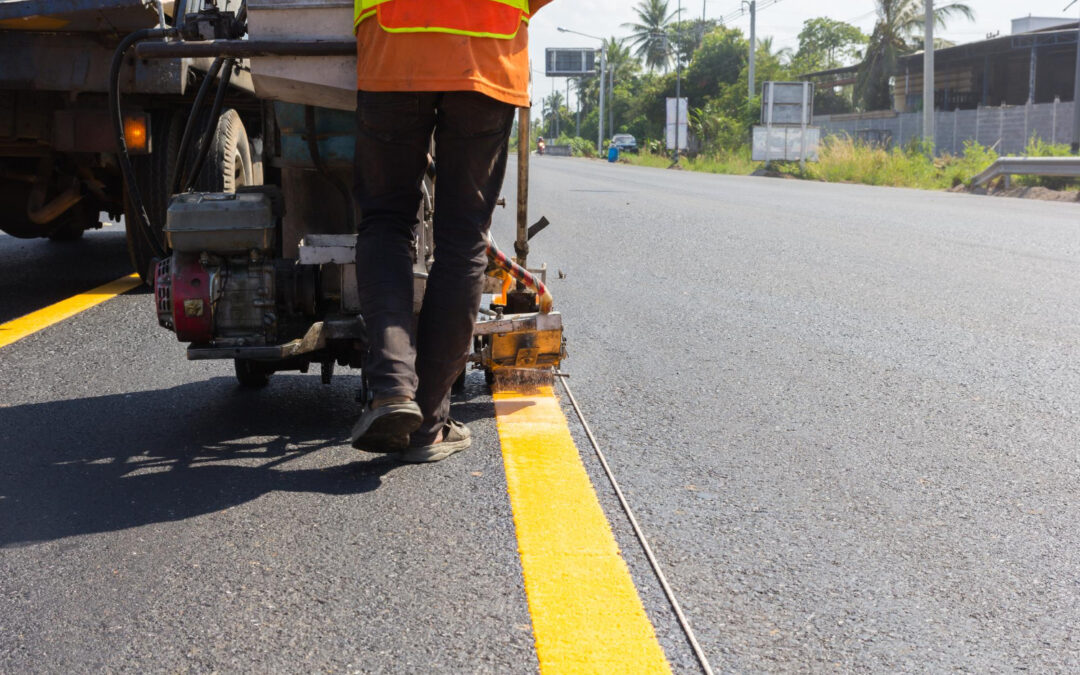
Pavement marking services may look similar whether you’re in a big city or a one-stoplight town, but the way they work can be very different. Smaller communities often face unique conditions that shape how striping gets done. Crews here aren’t just marking roads, they’re preparing safe routes where neighbors walk, school traffic flows, and every road user is known by name.
As we enter early spring, many small towns are prepping for marking jobs that were paused when winter temperatures hit. With milder days returning, it’s a perfect time to reset faded lines, update worn crosswalks, and finish roadway work that couldn’t happen in colder months.
Slower Roads, Smarter Timing
One of the biggest differences we see in small-town projects comes down to simple timing. Lower traffic levels make it easier to work during daylight hours, and that helps everything from safety to drying time. Instead of squeezing work into off-peak hours like in larger cities, we can often pick the best part of the day to stripe, usually late morning to early afternoon, when surfaces are dry and warm enough to hold paint better.
When early spring rolls in, it’s a short window between cold and fully warm weather. This is the season when faded markings from the winter can finally get a fresh coat, so timing the work makes a real difference.
Here’s what helps small towns make the most of that timing:
- Work plans often line up with school calendars, community meetings, or events
- Fewer detours and shorter road sections make jobs more manageable
- Local alerts about closures or delays can spread quickly through town halls or local social pages
With fewer moving pieces, jobs get done faster and with less disruption to neighbors or businesses. Having a smaller area to cover and fewer unknowns means crews can focus more on quality and less on racing the clock. This hands-on schedule also lets local departments make quick decisions, keeping everyone in the loop and limiting confusions.
Local Knowledge Builds Better Markings
In small towns, crew members often live nearby. That means they know exactly where the stop lines fade first, which school zone always has foot traffic, and which corner needs extra caution signs. This kind of awareness makes a big difference in where and how we apply markings.
Familiarity with roads helps in more ways than one:
- Community feedback helps guide improvements, especially around frequent turn lanes or crosswalks
- Wet areas, shady patches, and rough pavement are easier to work around when they’re part of a known route
- County fairgrounds, parade routes, and seasonal traffic spots can be worked into the yearly schedule with better accuracy
Instead of relying only on maps or reports, we work with knowledge grounded in experience, and that can speed the whole job up. That saves time, avoids mistakes, and helps markings stay where they belong for longer, even as weather and traffic take their toll.
Local crews also know when busy spots need extra attention once the season shifts. They’ve seen which intersection paint wears away too fast, or where a crosswalk could use extra width. Listening to townspeople means plans are flexible, with changes made on the go for a better outcome.
Equipment That Fits the Work
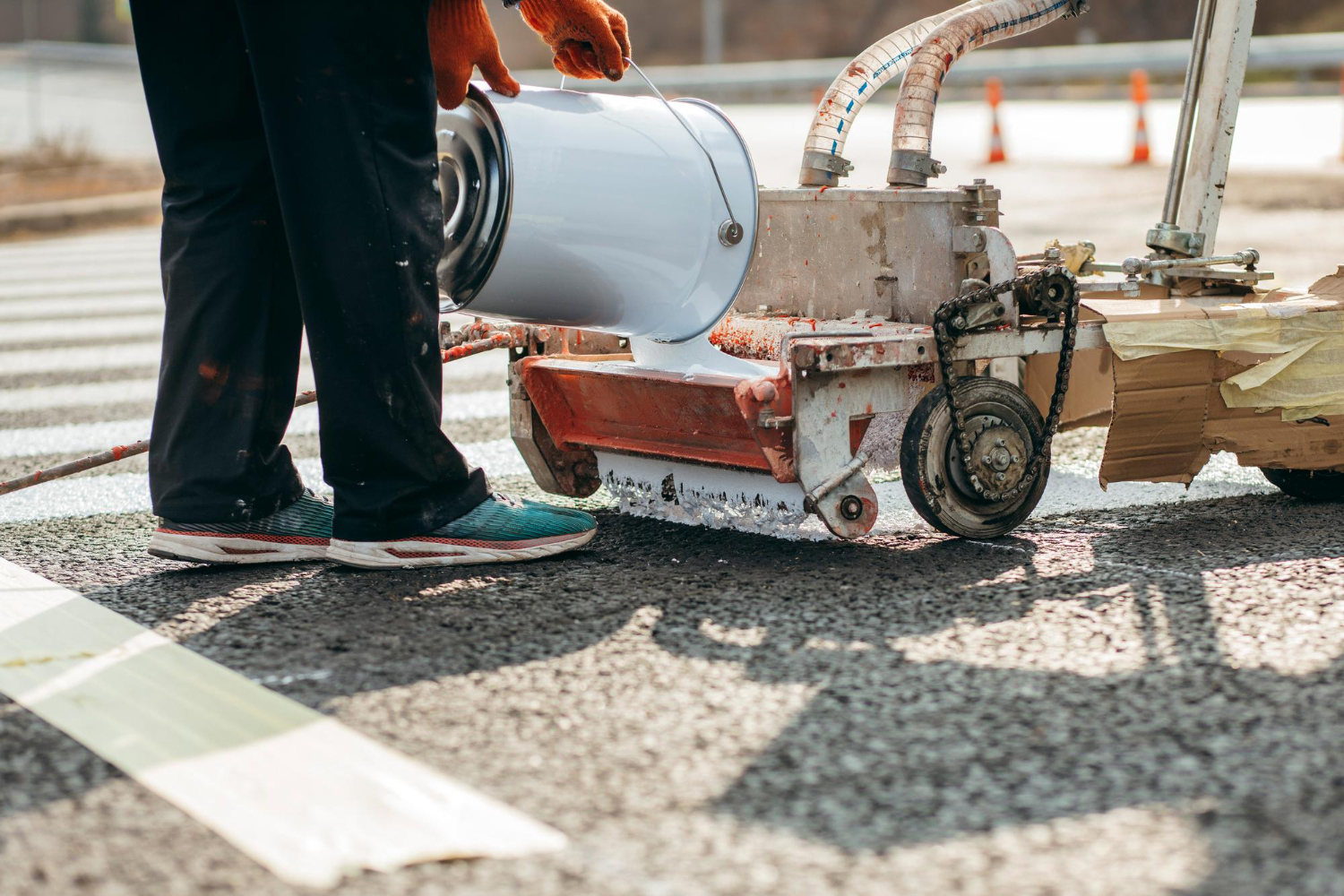
The equipment we use in small towns often looks a little different from what’s on highways. It’s built for tighter spaces, smaller lots, and a mix of older and newer roads. Many streets still have patches of rough asphalt or sudden elevation changes, so we choose machines that can handle that variety with steady results.
This time of year, the weather can swing a few degrees between morning and afternoon. That changes how fast paint dries and how materials flow. Machines with flexible pressure settings and adjustable heat options allow us to stay ahead of those shifts and make sure lines come out crisp and straight each time.
- Compact stripers fit alleys, parking lots, and downtown stretches well
- Smaller rigs can be moved quickly from site to site with easier setup
- Onboard settings let us make changes during the day, especially if temperatures jump or drop fast
With the right tools, it’s easier to keep lines clean and bright even when spring is slow to settle in. Local streets often have tight curves, traffic islands, or dead ends that most big machines can’t manage. Choosing the right striper for each job saves time and helps avoid mistakes, especially on roads with a mix of old and new pavement.
Having more control over equipment also means we can adjust line thickness or change paint colors on the spot. If a playground zone needs extra attention or a fresh school marking needs to go down fast, small-town crews are set up to deliver.
Clear Communication Makes a Big Impact
Good pavement markings don’t just come from clean lines, they come from clear communication. When we’re working in smaller towns, it’s standard to talk with local departments or maintenance people before the first gallon of paint even moves.
Weather checks happen together. Road closures are worked out in advance. Nobody likes unexpected moves, especially when school traffic or emergency routes are involved, so everyone tries to stay ahead of the day’s surprises.
- Morning status updates help everyone stay alert to sudden changes in wind or rain
- Flags, signs, or spoken warnings around job sites go a long way in protecting both workers and drivers
- City and county crews often check in mid-job for status or plan updates
That kind of teamwork doesn’t slow us down. In fact, it often makes it easier to finish the job right the first time. When everyone shares updates throughout the day, it helps avoid accidents and missed deadlines. Getting quick answers to questions lets work flow smoother, especially if storms pop up or warmer weather moves in during an afternoon.
Busy roads near schools, festivals, or fire stations can be marked and reopened on schedule because everyone knows the plan up front. This steady chain of updates builds stronger results every time.
Why Small-Town Conditions Lead to Stronger Results
Small towns offer something we don’t always get with big projects, room to pay attention. With less rush and more connection to the roads we’re striping, the outcome tends to last longer and look better.
The combination of local knowledge, steady communication, and equipment that matches the job gives us an edge. This time of year, when everything is coming out of winter and shifting into spring, those details matter more than ever. Cold mornings, windy afternoons, or a surprise warm snap all affect how lines set and hold. Knowing how quickly the weather can change allows us to time each job better and avoid lost progress.
When small-town pavement marking services align with the season and the community, the results speak for themselves. Smooth timing, safe work zones, and clean surfaces are easier to achieve when you combine the right tools with the right people. That’s what makes these projects work best, and why neighbors notice the difference.
Spring Marking Results Built for Small-Town Roads
The right pavement marking in small towns lasts longer and helps people move confidently through familiar streets. Hyperformance Traffic Safety Supplies offers waterborne paints, preformed thermoplastic markings, and all the equipment needed for jobs big or small. We supply bulk traffic paint, compact line stripers, and stencils for municipal crosswalks, schools, and slow zones, all tailored to fit local project scales.
At Hyperformance Traffic Safety Supplies, we understand that each small-town road has its own story and needs. Our range of pavement marking services is designed to match these unique requirements, ensuring clear and confident navigation through familiar streets. Whether it’s revitalizing crosswalks or updating school zones, our expertise and tools are tailored for local success. Reach out today to start planning your spring projects and enhance your community’s safety with our support.