As winter begins to loosen its grip and the first signs of spring start to show, it’s a good time to take a fresh look at our paved surfaces. From driveways to parking lots, months of ice and salt can leave behind more than just grime. Cracks, fading, and potholes often start small but grow fast during the colder months. By early spring, these issues are hard to ignore. Choosing the right pavement maintenance materials now can help extend the life of the surface and make everything safer for daily use. Not every repair needs the same fix, though, so it helps to understand what works best for different types of problems.
Spring Surface Damage: What to Look For
After winter, most outdoor surfaces carry the marks of cold weather. Understanding what to look for early can keep problems from getting worse.
- Cracks are one of the most common signs. They come from water getting into small spaces, freezing, and expanding. Over time, they widen and break down the structure below the surface.
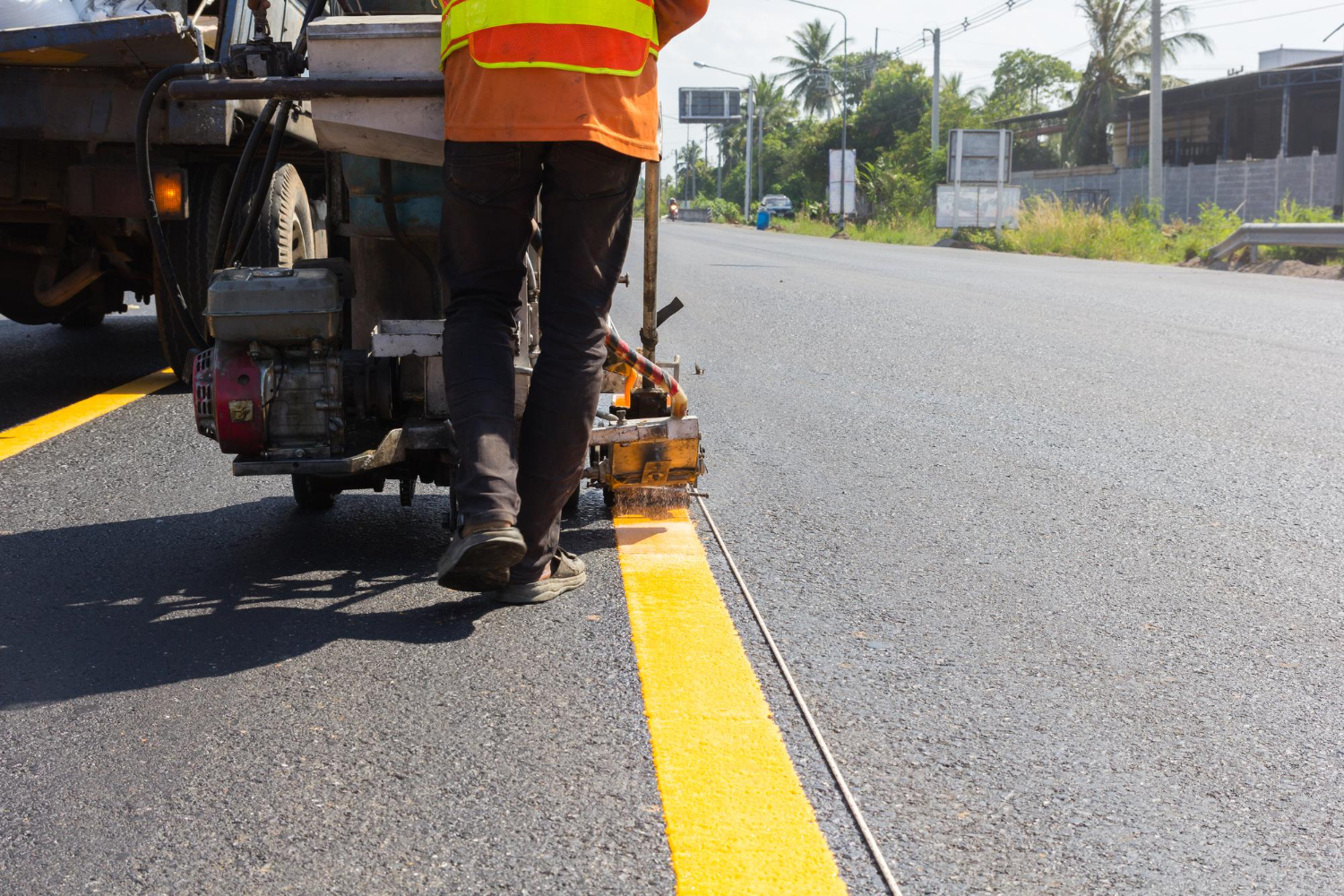
- Striping takes a beating, too. Salt, traffic, and even snowplows can wear off paint, making parking lines, arrows, or crosswalks hard to see.
- Loose gravel or uneven sections may show where the surface has broken apart. This is often caused by shifting layers underneath, made worse by moisture and freezing temps.
Getting a good look at all of this in early spring gives us a chance to plan smarter repairs. Acting now means fewer surprises when summer traffic picks up.
The damage often goes beyond the surface. Potholes might appear small at first, but their edges can crumble further if ignored, leading to bigger fixes later. This kind of surface breakdown isn’t just unsightly; it can also cause a hazard for both pedestrians and drivers. Walkways with pitted or raised spots might lead to trips and falls, while rough or pitted driveways make parking uneven or uncomfortable. Spotting these issues now, before heavy use resumes, allows for a better repair plan and keeps larger costs or liability at bay.
Common Patch and Repair Options
Once damage is spotted, it’s time to think about how to fix it. Different pavement issues call for different repair techniques, and spring is one of the better seasons to start.
- Cold mix asphalt works well for small-time fixes or temporary patches. It can be used in cooler temps and doesn’t need heavy equipment, so it’s a fast choice for early repairs.
- Hot mix asphalt requires warmer temperatures but lasts longer. It’s a stronger option for bigger holes or cracked areas that need a fuller section redone.
- Infrared asphalt repair mixes new material with existing pavement using heat. It creates a seamless patch, making it a good choice in spots that get a lot of traffic, like drive lanes or main entry points.
Good repairs start by understanding what caused the damage. Matching the fix to the need helps keep these spots from breaking down again too soon.
Many times, small cracks or holes can be patched without major work, but large areas may need a more robust approach. Cold mix is best for urgent repairs but is often used as a short-term fix until warmer months allow for hot mix installation. Infrared repair is valuable for drive lanes prone to rutting, as it bonds new asphalt with the existing material, providing a stronger finished product. The choice between these options depends not just on weather, but also on available crew time, equipment, and the expected amount of traffic. Knowing these differences leads to longer-lasting, effective repairs.
Sealcoating for Longer Surface Life
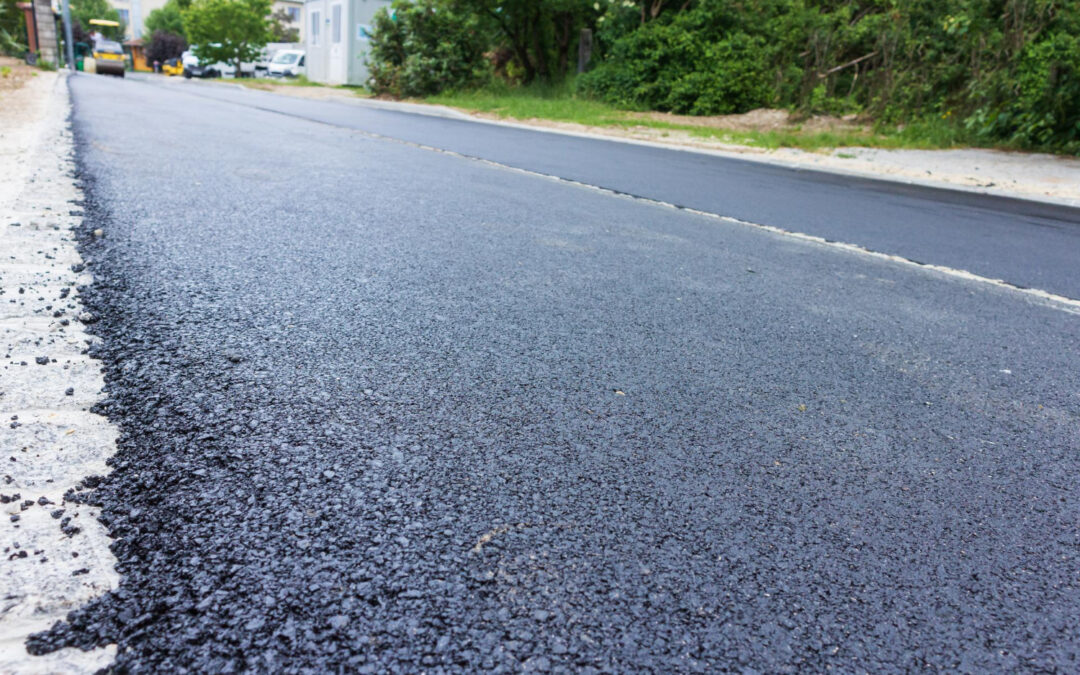
To keep repairs from happening all over again, sealcoating is a helpful next step. It creates a barrier on top of the pavement that keeps water, sun, and oil from soaking in.
- Timing matters. Sealcoating should be done once the weather is warm enough for it to dry properly. Early spring works best in areas with mild temps and steady sun.
- When choosing a sealer, options usually come down to coal tar or asphalt emulsion. Both protect the surface, but each comes with its drying needs and smell levels.
- If the pavement has just been patched or the weather is still bouncing between warm and cold, it might be better to wait a little before applying the coat. Fast changes in temperature can slow the drying process and cause early failure.
A well-done sealcoat saves headaches later by locking in earlier repairs and reducing future wear.
While coal tar remains a traditional choice for its durability and resistance to chemicals, it does have a stronger odor and specific application requirements. Asphalt emulsions, on the other hand, are more user-friendly, dry faster, and are often favored in environmentally sensitive locations. Applying sealcoat at the right temperature is critical, since rushing the job during a cold snap can lead to cracking or peeling. Careful timing ensures the new sealant binds well to the repaired surface and provides even protection. This step is one of the best ways to hold off the natural fading, water damage, and oxidation that follows a rough winter.
Choosing the Right Striping Paint After Repairs
Once cracks are filled and the surface is sealed, striping becomes the final layer of clarity. Markings that are easy to see help people drive, walk, and park safely.
- Repainting after repairs keeps lots from looking patchy or confusing. Clear space lines and traffic flow guides show people where to go without questions.
- Striping paint comes in a few types. Water-based is more common and easier to clean up, but solvent-based holds up better in certain weather conditions. Each works differently depending on surface and drying needs.
- It’s smart to watch the weather before striping. If the nights are still dipping low or rain is in the forecast, that fresh paint can lose grip before it sets.
Fresh striping does more than improve appearance. It makes everyone’s movement around the lot feel safer and more organized.
For lots that see heavy vehicle movement, the choice of striping paint may shift based on durability requirements. Solvent-based paints, while slower to dry and requiring careful handling, can stand up better to rush hour traffic or overnight delivery runs. Water-based paints are easier to apply and clean, making them a good fit for projects where flexibility is key and traffic can be kept off the freshly painted areas for at least a few hours. Taking the time to measure and lay out striping before painting also helps ensure lines go down straight and match the original plan, preventing confusion.
Planning Based on Pavement Type and Traffic
Not every pavement repair needs the same material, especially when conditions are different from one surface to another. What works for a warehouse might not fit a school parking lot.
- Asphalt and concrete need different care. Asphalt softens in sun and heat, which makes some materials better for sunny areas. Concrete handles traffic well but shows stains, so the protection approach changes.
- Foot traffic wears on edges and walkways, while heavy loads break down drive paths. Where the wear happens tells us which fix will last longer.
- Thinking past the next fix can also save time. When we know what kind of traffic is coming, we can plan material choices that hold up better over time.
Matching the right pavement maintenance materials to both the surface and how it’s used can make repair work count for more.
A surface near building entrances may get heavy repeated use by delivery carts or foot traffic, wearing away paint and sealant faster than a low-traffic side lane. Likewise, areas routinely crossed by trucks demand more resilient patch materials and more frequent inspection for early signs of failure. Understanding the strengths and weaknesses of your surface helps to set priorities for repair and adjustment so smaller issues don’t stack up. When planning maintenance, keeping a log of repairs and materials used helps spot patterns and plan for future upgrades that can withstand recurring demands.
Maintain Appearance and Safety into Summer
Cleaning up winter’s mess is only part of the job. Planning early with the right materials helps lock in those fixes before summer ramps up. No one wants to scramble with major repairs when it’s hot, busy, and schedules are full. Getting ahead now means less stress later.
When we choose materials that match the surface, the damage, and the season, the repair holds longer and looks better. That keeps people safe, traffic smooth, and lots ready for whatever the warmer months bring. Starting this kind of upkeep in early spring puts you in control instead of playing catch-up.
Committing to timely maintenance brings peace of mind, knowing your surface is safe for the increase in visitors, vehicles, and activities that come with summer. Consistent care also makes future problems easier to handle, since existing issues are caught sooner and treated before they worsen. By following a repair and inspection plan that matches seasons and surface needs, property owners stay ahead of potential wear and keep the lot welcoming all year round.
Spring into action and secure the longevity of your pavement by choosing the right pavement maintenance materials with Hyperformance Traffic Safety Supplies. Our expert solutions help maintain the appearance and safety of your surfaces while reducing the need for future repairs. Let us assist you in selecting materials tailored to your unique conditions, ensuring your property is ready for the busy months ahead. Reach out to us today and experience the difference reliable maintenance can make.