If your commercial parking lot has faded or peeling lines, you’re not alone. Over time, even the best markings wear down and lose their visibility. This leads to confusion, uneven traffic flow, and potential safety concerns for both drivers and pedestrians. Spaces may become less defined, and vehicles might not park where they should. It’s more than just an eyesore, it can cause real headaches for property managers and business owners.
Having clear, sharp lines plays a big role in keeping a parking lot organized and safe. When those lines begin to disappear or look patchy, it’s time to act. Whether you’re managing a small lot or a larger complex, fixing those lines is something that needs to be done the right way. Let’s walk through what causes this problem in the first place and how you can start fixing it properly.
Identifying the Causes of Faded and Peeling Lines
Understanding why your parking lot lines are giving out helps you keep it from happening again too soon. Like anything painted or exposed to the outside all day, striping takes a lot of abuse from the elements and daily traffic.
Here are some of the most common causes:
– Weather exposure: Sun, rain, snow, and temperature changes can break down paint over time. UV rays in particular cause colors to fade faster.
– Heavy traffic: Constant movement of tires across painted lines wears them down, especially in high-use areas like entrances or near buildings.
– Low-quality materials: When inexpensive or incorrect paint is used, it won’t last long. Sometimes, the wrong type of paint is applied for a specific surface.
– Poor prep work: If lines were painted over dirt, oil, or without letting the lot dry fully, they’re far more likely to peel quickly.
Imagine repainting a parking spot during a humid afternoon with leftover paint from another job. Even if the paint goes down fine, it won’t take long before it starts to flake or dull. Knowing what went wrong helps you make smarter choices moving forward.
Steps to Prepare the Surface for Re-Striping
Painting over a dirty or broken surface doesn’t fix anything. Prepping the lot properly is what gives the paint a real chance to stick and stay clean and visible over time. Before doing anything else, make sure the surface is ready to go.
Here’s a simple step-by-step process:
1. Inspect the entire lot
Walk around and look for peeling paint, oil stains, dirt patches, and cracked areas of the surface.
2. Clean all surfaces
Use a pressure washer or broom to remove dust, debris, and loose paint. Pay extra attention to corners and curved edges.
3. Treat oil and grease spots
These areas need degreasers or special cleaners, since paint won’t stick to slick or stained pavement.
4. Fill minor cracks and holes
Depending on the extent of wear, patching cracks reduces future damage and stops moisture from seeping in.
5. Make sure it’s dry
Any leftover moisture can weaken the bond between the striping paint and pavement. Allow drying time before painting.
Skipping prep is one of the fastest ways to guarantee your new striping fails again. The few extra hours spent getting the lot ready will save you the headache of having to redo the job weeks later.
Choosing the Right Paint for Durability
The quality of your striping job depends a lot on the type of paint used. With the wrong paint, lines can fade fast, peel up, or turn blotchy no matter how good your prep work is. So taking the time to pick the right kind of paint makes a difference you can actually see and it saves time and money in the long run.
There are a few paint types made specifically for parking lot striping. The most common are:
– Water-based acrylic: Dries quickly, works well in warm to mild conditions, and is easy to clean up. A solid choice for daytime striping during dry weather.
– Solvent-based paint: Offers durability and better adhesion, especially in high-traffic lots. Best when weather tends to be unpredictable.
– Thermoplastic: More often used on public roads, but in some commercial lots, it’s used for stop bars or crosswalks due to its thickness and reflectivity.
Each has its own set of pros and cons. Acrylic paint is popular for its drying time, but it doesn’t hold up as long in snowy or wet areas. Solvent paint has stronger staying power, but it needs good ventilation during application. The key is picking a product that matches your region’s weather and the lot’s daily use.
You’ll also want to match the paint type to the surface material. Concrete might need different bonding than asphalt. Don’t just use whatever’s in a leftover can. Matching the paint to both surface and environment creates cleaner lines that hold up longer without needing quick touch-ups.
Proper Techniques for Painting New Lines
Getting sharp, straight lines is part preparation, part technique, and part patience. Rushed jobs usually lead to jagged lines or uneven thickness. Those problems show up quickly and make a lot look unfinished or poorly maintained.
Here are some tips for best results:
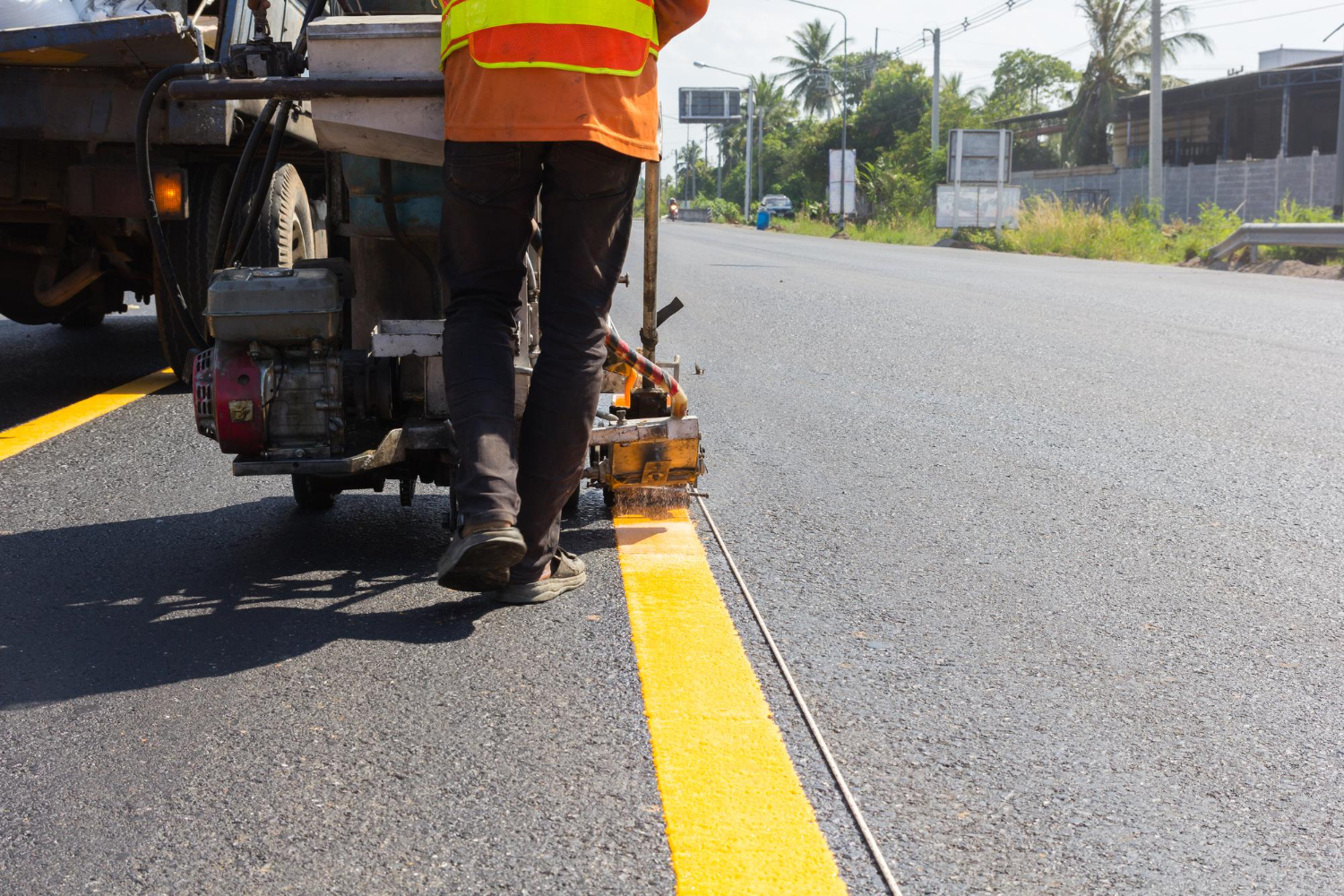
1. Use a line striping machine
Rollers and brushes may seem easier, but machines give you consistent width, straight paths, and even coverage.
2. Apply multiple thin coats
A single thick coat takes longer to dry and tends to crack or peel later. Two thinner layers are better.
3. Use stencils for symbols and arrows
Helps ensure consistency across your property and makes the lot more user-friendly.
4. Pay attention to weather and timing
Dry days with mild temps are great. Too hot and paint can bubble. Too cold and it won’t bond well.
5. Use reflective beads if needed
These can be added for night visibility, particularly near building entrances or loading zones.
Let each coat dry fully before adding another, and avoid letting cars back on the lot too soon. Paint looks dry to the eye far faster than it’s completely cured. If any part gets smudged, it takes away from the clean appearance you’re going for and may even confuse drivers.
Best Practices for Regular Maintenance
Even the best striping job wears down eventually. Staying on top of regular maintenance keeps your lot looking sharp and your traffic flow smooth. It also helps extend the lifespan of the paint, which means fewer total repainting projects over time.
Set up a simple routine inspection every few months. There’s no need to overthink it. Walk the space and keep an eye out for:
– Thin spots where lines are starting to fade
– Scratches or scuffs caused by plows, delivery trucks, or carts
– Any unclear traffic arrows or stop bars
– Spill stains that could eat away the paint or cause peeling
Doing basic touch-ups before issues become noticeable saves trouble later. If a full restriping isn’t needed, small corrections can still make a big difference. And don’t forget to check signage and other lot markings while you’re at it. They all work together to help keep drivers and pedestrians safe.
Why Clear Parking Lines Make a Real Difference
Well-painted lines don’t just guide traffic. They send a message. A clean, clearly marked lot shows drivers that a space is managed properly, functions smoothly, and values safety. Faded lines leave room for guesswork. That can lead to blocked walkways, uneven parking, and even fender benders.
Markings also influence how much space you’re actually using. When lines fade, people park differently, and that’s not always a good thing. Over time, this can reduce your lot’s capacity or block off areas that are supposed to remain clear.
Regular striping keeps things organized and reduces potential liability. It may not be the flashiest upgrade, but it’s one of the most useful ways to keep a commercial property running smoothly.
Keeping Your Lot Looking Its Best All Year
Parking lot lines do more than point out where to park. They guide foot and vehicle traffic, help emergency access stay clear, and show that your property is taken care of. Keeping them in good shape doesn’t have to mean major interruptions or constant repainting.
Think of it as part of regular property care, like mowing the lawn or changing air filters. Schedule updates when needed and don’t wait until the paint has mostly vanished. Proactive upkeep saves time and helps avoid bigger jobs down the road.
Taking the time to do it right, from surface prep to paint choice to occasional check-ups, will make your life easier later. Your parking lot stays cleaner, safer, and easier for everyone to use. When it’s time to hire a striping crew again, you’ll be starting from a lot that’s already in good shape.
Enhance the look and functionality of your parking lot with our expert commercial parking lot striping solutions from Hyperformance Traffic Safety Supplies. Our team is dedicated to helping you maintain clear and durable lines, ensuring your property remains safe, well-managed, and appealing year-round. Don’t let faded lines lead to safety risks and confusion. Secure your property’s professional image today and keep traffic flowing smoothly with our trusted products.