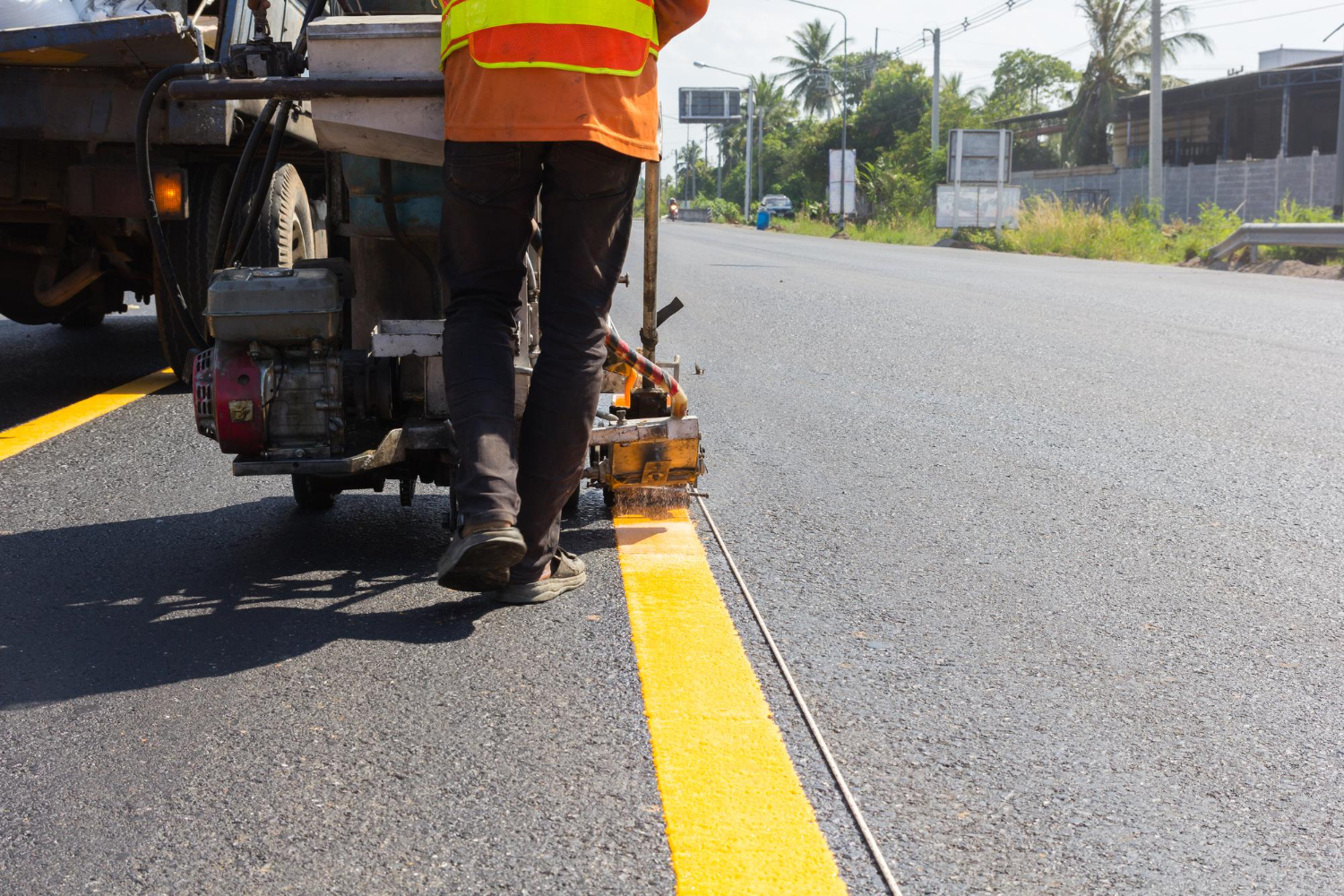
Winter can be rough on pavement. Cold temperatures, ice, and snow all work together to wear things down faster than usual. Once the freeze-thaw cycle kicks in, even small cracks can turn into much bigger problems. By the time winter ends, those same surfaces might have a whole list of issues from uneven areas to deep potholes and broken edges. If these problems are left alone, it only gets worse once traffic returns to normal flow.
As the year comes to a close, it’s the right time to look at how winter has affected your pavement surfaces. Identifying the damage early helps make repairs less expensive and more effective. That’s where pavement maintenance materials come in. Whether it’s dealing with surface cracks or filling in potholes, choosing the right material helps prevent more damage, improves safety, and extends the life of the surface.
Identifying Winter Damage
Before you can repair pavement, you need to figure out what kind of damage has actually happened. Cold weather doesn’t impact every surface the same way, so it’s important to check each area carefully. Some signs are easy to spot, but others take a closer look.
Things to watch for after winter:
– Jagged cracks spreading out from a center point
– Small cracks that have widened or deepened
– Areas where chunks of pavement are missing
– Drainage problems causing standing water
– Rough spots where snowplows may have scraped the surface
You don’t need any advanced tools to do a surface check. A simple inspection on foot works well for most pavement types. Walk along the surface at different times of day if possible and after any melting events. You want to see how water sits on the pavement and spot any weak spots showing early signs of falling apart.
Early repairs keep minor issues from growing into bigger and more expensive problems. Damage that seems small, like a shallow crack, can allow water to go beneath the surface. When that water freezes again, it forces the crack open even wider. That’s how potholes start. So the sooner you tackle these spots, the easier it is to stop the damage from getting worse.
Pavement Maintenance Materials: What You Need
Once you’ve spotted places that need attention, the next step is choosing quality pavement maintenance materials. These tools and supplies are used to patch, seal, and strengthen pavement that’s been damaged during winter.
Each material has its place. Some are better for cracks, others for big holes or worn-down surfaces. Here are some common ones and what they’re good for:
– Crack fillers – Best for thin or moderate cracks caused by shifting temperatures. They seal out moisture and help stop cracks from spreading.
– Asphalt patch – Used for potholes or large missing chunks of pavement. It fills the space, smooths the surface, and strengthens weak spots.
– Sealcoats – Applied over paved areas to protect them from future wear and tear. They act as a barrier against water, sun, and chemical damage.
– Cold patch asphalt – Handy for quick fixes during cold weather when hot mix isn’t an option. It’s a temporary solution but can help control damage until thorough repairs are possible.
Choosing the right materials depends on the type of damage, current weather conditions, and how soon you need the repair to be done. For example, if a large parking lot has several potholes and you’re in between storms, a mix of cold patch and sealant might work for now, followed by a more permanent fix in spring.
Getting the best results is about using dependable pavement maintenance materials and having a plan to deal with winter’s effects before they turn into bigger headaches.
Repair Techniques for Winter Damage
Fixing pavement after winter doesn’t have to be overwhelming, but it does take the right steps. Once you’ve figured out what needs repair and gathered your pavement maintenance materials, it’s time to start the actual patching and sealing process. The key here is to make sure the surface is clean, dry, and ready before any material is applied. Even the best filler won’t work if it’s thrown into a crack full of dirt or moisture.
For cracks, here’s a basic step-by-step approach that crews usually follow:
- Clean out the crack using a wire brush, compressed air, or a pavement cleaning tool. The goal is to get rid of loose debris.
- Let the area dry. Skip patching if there’s still water inside.
- Fill the crack using the right filler. Some are pourable, while others come from a caulking-type tube.
- Smooth it out or level it with a squeegee or trowel, depending on the product.
When it comes to potholes, you’ve got a bit more prep to do. First, you’ll need to clear out any loose chunks and create cleaner edges so the patch sticks better. Once the damaged section is ready, apply the cold or hot patch asphalt, tamp it down tight, and level it with the surrounding surface. In cooler weather, cold patch is more common since hot mix has limited use during low temperatures.
Erosion along the edges or the top layer isn’t fixed the same way. Areas that have lost their seal or look dry and rough can often benefit from sealcoats or overlays after minor, quick repairs. This fresh layer helps smooth worn pavement and defend it from more water and salt next year.
Keep in mind, poor application or skipping steps often leads to quick failures. For example, if you skip drying the crack before filling it, that trapped moisture could freeze again, forcing the seal to crack or pop out entirely. So it’s better to be methodical and pay attention to the little things, even if it takes a little more time upfront.
Preventing Future Winter Damage
Winter damage happens when water, ice, and salt are allowed to sit and settle into your pavement for too long. The best way to avoid this kind of damage is to take preventative steps before the worst of the season hits. That said, even if winter’s already done its damage, it’s never too late to start prepping for the next round.
Here are a few habits that help pavement hold up better year after year:
– Apply a sealcoat in the warmer months to create a water-resistant barrier
– Keep all cracks sealed up quickly so freeze-thaw cycles don’t tear them open wider
– Make sure your lot, driveway, or road has proper slopes and drainage
– Clear out any clogged drains or low spots where water often pools
– Schedule regular walkthroughs to spot early signs of damage
Drainage plays a bigger role in winter damage than most people think. When water can’t flow away from the pavement, it builds up in the wrong spots. That’s where ice forms first and does the most harm. Fixing drainage isn’t always a big project either. Sometimes it’s as easy as clearing packed debris off a surface, opening up a blocked drain, or tapering the edges of a valley where water collects.
One example involved a restaurant parking lot where a few small cracks were ignored in the fall. By mid-March, those cracks had doubled in length and started forming potholes because snowmelt had nowhere to go. If those cracks had been filled and a drainpipe near the rear exit had been cleared, the pavement would’ve been in much better shape by spring.
Small steps early in the season, like sealing, clearing drains, and inspecting edges, go a long way toward cutting down heavy repairs later. It’s easier to stay ahead of damage than to keep catching up.
Keep Your Pavement in Top Condition
Pavement doesn’t stay clean and strong on its own. Wet seasons, repeated freezes, and heavy traffic wear it down little by little until something breaks through. The difference between a surface that lasts and one that falls apart usually comes down to consistent maintenance and using the right materials.
When you spot issues like cracks or eroded areas and deal with them quickly, you avoid bigger and more expensive fixes. But there’s more to good service life than just damage control. Adding protection like sealants, setting up good drainage, and walking the sites a few times each season makes repairs easier and less frequent down the road.
By keeping up with pavement care year-round, surfaces stay safe to use, look cleaner, and work better through every kind of weather. With just a bit of planning and the right materials on hand, you can reduce headaches during winter and head into the warmer months with fewer problems to manage.
Prepare your pavement for winter’s harsh conditions with reliable pavement maintenance materials from Hyperformance Traffic Safety Supplies. Our high-quality materials ensure efficient and effective repairs, safeguarding your surfaces against future damage. By addressing minor issues promptly, you prevent major problems and maintain a smooth and safe environment. Trust in our solutions to keep your roads and lots in top condition, regardless of the season.